Bitumen 85/25 (ASTM D36) – Specification, Applications & Latest Price
Bitumen 85/25 is an oxidized bitumen grade widely used in industrial, waterproofing, and construction applications where high thermal stability and long-term durability are required. With a softening point of approximately 85°C and penetration of 25 dmm, this grade offers excellent resistance to heat, aging, and chemical exposure.
Due to its stable physical structure and compliance with international standards, Bitumen 85/25 is commonly specified for roofing systems, insulation layers, industrial coatings, and protective applications worldwide.
Applications of Bitumen 85/25
Bitumen 85/25 is designed for applications that require durability, adhesion, and resistance to heat and chemicals. Common uses include:
Roofing membranes and waterproofing systems
Foundations, basements, and underground structures
Pipe coating and corrosion protection
Industrial tank linings
Expansion joints and crack fillers
Electrical insulation and battery sealing
Protective coatings for steel and concrete surfaces
Performance Advantages of Bitumen 85/25
Compared to softer or non-oxidized grades, Bitumen 85/25 offers several technical advantages:
High resistance to heat and deformation
Strong adhesion to metal, concrete, and masonry
Excellent aging stability under UV exposure
Resistance to water, salts, and chemical agents
Long service life in demanding industrial environments
Application Guidelines for Bitumen 85/25
To achieve optimal performance, follow these best practices:
Surface preparation: Ensure all surfaces are clean, dry, and free of dust, oil, or loose materials.
Heating: Heat the product gradually to improve flow; avoid overheating to preserve material properties.
Application methods: Suitable for brush, trowel, mop, or spray application depending on usage.
Thickness control: Apply evenly to ensure uniform protection.
Curing: Allow sufficient cooling and curing before exposure to load, moisture, or mechanical stress.
Manufacturing Process & Quality Control
Bitumen 85/25 is manufactured through a controlled air-blowing (oxidation) process at temperatures typically ranging from 230–270°C. This process modifies the molecular structure of base bitumen to achieve the required softening point and penetration.
Quality assurance includes:
Continuous monitoring during production
Laboratory testing for penetration, softening point, and stability
Batch traceability and documentation
Compliance with ASTM and EN standards
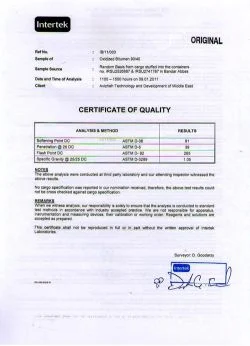
Optional third-party inspection (SGS, BV, Intertek)
Packaging & Export Options
Bitumen 85/25 is supplied in multiple packaging formats to suit different logistics and project requirements:
Steel drums (180–200 kg) – ideal for international shipping
Meltable bags (25–50 kg) – convenient for direct application
Jumbo bags (500–1000 kg) – economical for bulk projects
Custom packaging available upon request
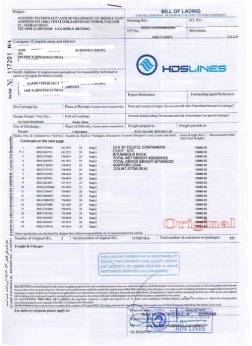
Shipments are available from Turkey and the UAE with full export documentation, including COA, MSDS, and Certificate of Origin.
Bitumen 85/25 Price & Ordering Information
The price of Bitumen 85/25 depends on several factors such as:
Order quantity
Packaging type
Delivery terms (FOB, CFR, CIF)
Destination country
Market conditions
For the latest Bitumen 85/25 price, technical datasheets, or quotation requests, please contact our sales team for accurate and up-to-date information.
Frequently Asked Questions (FAQ)
What is Bitumen 85/25 used for?
It is mainly used for waterproofing, roofing, industrial coatings, pipe protection, insulation, and expansion joint applications.
Is Bitumen 85/25 an oxidized bitumen?
Yes. It is produced by air-blowing base bitumen to achieve higher softening point and improved durability.
Does Bitumen 85/25 meet international standards?
Yes, it complies with ASTM and EN specifications.
Can Bitumen 85/25 be exported worldwide?
Yes, it is supplied globally in drums, jumbo bags, or bulk packaging with full export documentation.
Is Bitumen 85/25 suitable for hot climates?
Yes. Its high softening point makes it ideal for use in high-temperature and industrial environments.
Table of Contents
Technical Specifications
| Property | Typical Value |
|---|---|
| Penetration @ 25°C (dmm) | 25 |
| Softening Point (°C) | 85 |
| Ductility @ 25°C (cm) | >1.0 |
| Loss on Heating (%) | 0.2 Max |
| Flash Point (°C) | 240 Min |
| Solubility in CS2 (%) | 99.0 Min |
| Appearance | Black, solid |
References and certificates