Sodium Silicate Supplier – Industrial Grades, Uses & Price
Sodium Silicate is an industrial chemical that manufacturers rely on for detergent production, construction materials, water treatment, foundry casting, and adhesive manufacturing. Also known as water glass or soluble glass, this alkaline compound combines strong binding properties with effective pH control. Buyers can choose liquid solutions for direct processing or solid grades for concentrated storage and transportation. The correct chemical ratio and concentration help manufacturers maintain product quality, improve processing efficiency, and manage production costs.
Basekim supplies industrial grades for manufacturers, chemical distributors, and bulk purchasers seeking reliable sourcing and suitable packaging options for international shipments.
What Is Sodium Silicate?
This inorganic compound belongs to a family of soluble alkali silicates containing sodium oxide (Na₂O) and silicon dioxide (SiO₂).
Its general chemical composition follows the formula Na₂O·nSiO₂, where the value of n represents the silica-to-soda molar ratio.
Manufacturers adjust the composition to produce different levels of alkalinity, silica content, and viscosity.
The chemical plays several important roles in industrial processes. It can bind mineral particles, regulate alkaline conditions, support corrosion control, and improve the performance of selected cleaning formulations.
Industrial buyers often recognize the material under alternative names such as water glass, liquid glass, silicate of soda, and soluble silicate.
Although these names describe related materials, each commercial grade has specific properties.
Therefore, procurement teams should check the composition and technical specifications before selecting a product.
Technical Specifications
Commercial grades vary according to concentration, physical form, and chemical ratio.
The following table outlines common industrial characteristics.
| Parameter | Typical Specification |
|---|---|
| Chemical Name | Sodium Silicate |
| CAS Number | 1344-09-8 |
| General Formula | Na₂O·nSiO₂ |
| Appearance | Clear or slightly hazy liquid; glassy solid or powder |
| Color | Colorless to pale |
| SiO₂/Na₂O Weight Ratio | Approximately 1.6–3.4 |
| Liquid Solids Content | Approximately 35–45% |
| Liquid Density at 20°C | Approximately 1.35–1.55 g/cm³ |
| pH | Typically 11–13 |
| Odor | Odorless |
| Water Solubility | Grade-dependent |
| Viscosity | Depends on concentration, ratio, and temperature |
| Flammability | Nonflammable |
| Available Forms | Liquid, glass, granules, powder |
| Main Industrial Functions | Binding, alkalinity control, corrosion inhibition |
These figures represent typical commercial ranges rather than one guaranteed grade. Buyers should confirm the exact values through a grade-specific Technical Data Sheet and Certificate of Analysis.
Available Industrial Grades
Manufacturers choose between liquid and solid forms according to their processing requirements, equipment, and storage facilities.
Liquid Water Glass
The liquid form contains dissolved silicate in water and provides convenient handling for production facilities with pumping and dosing systems.
Manufacturers can introduce the solution directly into industrial mixers without a separate dissolution stage.
Common applications include detergent production, adhesives, foundry binding, and concrete surface treatments.
However, concentration influences viscosity and transportation efficiency.
A higher solids percentage may reduce the volume of water that buyers transport, but it can also increase pumping and handling requirements.
Production engineers should review temperature conditions and equipment compatibility before selecting a concentrated solution.
Solid Silicate Grades
Solid products may appear as glassy lumps, granules, or specially processed powders.
These forms often suit manufacturers that require concentrated materials or prefer dry storage.
Industrial companies use solid grades in chemical manufacturing, refractory production, and selected dry formulations.
Some products require controlled temperature and mixing conditions for dissolution.
Therefore, buyers should verify dissolution behavior and particle specifications rather than assuming every powder dissolves immediately in cold water.
Liquid vs Solid: Which Grade Should You Buy?
| Feature | Liquid Grade | Solid Grade |
|---|---|---|
| Form | Aqueous solution | Glass, granules, powder |
| Processing | Direct dosing | May require dissolution |
| Storage | Compatible tanks and containers | Dry, sealed packaging |
| Transport | Includes solution water | Concentrated material |
| Best Fit | Continuous liquid processes | Dry processing or concentrated storage |
The best option depends on the production system rather than the physical form alone.
Industrial Applications and Manufacturing Benefits
The versatility of soluble silicates allows manufacturers to use them across several industries.
However, each application requires different technical characteristics.
Detergent and Industrial Cleaning Products
Detergent producers use alkaline silicates to support cleaning performance, maintain formulation stability, and help protect suitable equipment surfaces.
The material contributes alkalinity and assists in dispersing soil during washing.
Common applications include laundry powders, industrial degreasers, alkaline cleaning agents, and specialized detergent formulations.
Chemical formulators must control dosage and composition carefully.
Excessive concentrations may leave deposits or create incompatibility with other ingredients.
Manufacturers should perform laboratory trials to determine the correct formulation balance.
Water Treatment and Corrosion Control
Selected silicate formulations support corrosion management in industrial water systems.
Under appropriate chemical conditions, dissolved silica species can contribute to protective deposits on certain metal surfaces.
Water treatment specialists use these properties in carefully controlled systems.
However, performance depends on pH, water hardness, dosage, and the composition of the pipeline materials.
Facilities should conduct compatibility testing before introducing a new treatment chemical.
For drinking water applications, operators must also confirm compliance with applicable regulatory requirements.
Construction and Concrete Surface Treatment
Construction chemical manufacturers incorporate mineral silicates into concrete densifiers, surface treatments, and specialized binding formulations.
These materials can interact with calcium-containing compounds in cement-based surfaces.
As a result, a suitable formulation may improve surface density and reduce dust formation.
Common construction applications include concrete floor treatments, mineral coatings, chemical grouting, and soil stabilization.
Contractors should evaluate the substrate, treatment concentration, curing conditions, and application method.
A surface densifier does not automatically replace a dedicated waterproofing system.
Foundry Sand Binding
Foundry operators use inorganic binders to hold sand particles together during mold and core production.
Soluble glass formulations can develop strong bonds through controlled curing processes.
Some systems introduce carbon dioxide to accelerate hardening, while others use heat or specialized curing agents.
Engineers must balance sufficient mold strength with practical removal after metal casting.
The chemical ratio, sand quality, binder dosage, and curing conditions all influence final performance.
Paper, Cardboard, and Adhesives
Packaging manufacturers use water glass adhesives in selected paperboard and industrial bonding applications.
The material can create strong bonds between compatible porous surfaces.
Paper mills also use silicates in certain alkaline processing and peroxide bleaching systems.
However, manufacturers should test moisture sensitivity and bond flexibility before selecting an adhesive formulation.
Ceramics and Refractory Production
Ceramic manufacturers use selected soluble silicates to support particle dispersion in certain water-based processing systems.
Refractory producers also incorporate mineral binders into specialized heat-resistant products.
These applications require precise control of chemical composition and processing conditions.
A detergent-grade solution may not perform correctly in a ceramic formulation, even when both products belong to the same chemical family.
Sodium Silicate Manufacturing Process
Industrial producers manufacture soluble glass through thermal and hydrothermal methods.
One traditional process combines silica sand with sodium carbonate under high-temperature conditions.
The reaction produces molten silicate glass, which manufacturers cool, process, and dissolve when they need a liquid product.
For a metasilicate composition, the simplified reaction follows:
Na₂CO₃ + SiO₂ → Na₂SiO₃ + CO₂
Actual production conditions and raw material proportions vary according to the required grade.
Sodium carbonate plays an important role in this manufacturing route.
Chemical producers seeking related raw materials can explore Soda Ash (Sodium Carbonate) and its industrial specifications.
Hydrothermal production offers another manufacturing route. This method combines an alkaline source with suitable silica under controlled temperature and pressure conditions.
The producer adjusts processing conditions to achieve the required chemical composition.
Understanding the Silica-to-Soda Ratio
One of the most important purchasing specifications involves the relationship between silica and sodium oxide.
Manufacturers commonly express this value as the SiO₂/Na₂O weight ratio.
A lower ratio generally produces greater alkalinity, while a higher ratio increases the relative silica content and influences binding behavior.
| Weight Ratio | General Characteristics |
|---|---|
| 1.6–2.0 | Higher alkalinity |
| 2.0–2.5 | Intermediate composition |
| 2.5–3.0 | Suitable for various binding and processing formulations |
| 3.0–3.4 | Higher relative silica content |
These categories provide general guidance rather than guaranteed application recommendations.
Buyers should also distinguish weight ratios from molar ratios.
The two measurements use different calculation methods, and incorrect interpretation can lead to purchasing the wrong grade.
Additionally, total solids content influences viscosity, density, and the amount of active material in each shipment.
Sodium Hydroxide in Silicate Production
Chemical producers also manufacture selected grades through reactions involving silica and strong alkaline solutions.
In hydrothermal processing, sodium hydroxide provides the alkalinity necessary for dissolving and reacting suitable silica materials.
Manufacturers control reaction temperature, pressure, concentration, and raw material composition to obtain the required product.
Facilities that purchase alkaline chemicals for industrial processing can review Sodium Hydroxide and its technical characteristics.
Although both materials contribute alkalinity, they perform different functions.
Caustic soda primarily provides strong alkaline reactivity, while soluble glass also contributes silica-based binding and other formulation properties.
Sodium Silicate Price and Bulk Purchasing
The cost of industrial soluble glass changes according to grade, concentration, manufacturing requirements, packaging, and transportation conditions.
Buyers should evaluate the total landed cost instead of comparing quotations solely by their listed price per metric ton.
Main Factors That Influence Pricing
Chemical composition: Different silica-to-soda ratios may involve different production requirements and market availability.
Product concentration: Liquid products contain varying amounts of water, which directly affects transportation efficiency.
Physical form: Glassy solids, powders, and aqueous solutions have different processing and packaging requirements.
Order volume: Large industrial orders may support more efficient logistics and procurement planning.
Packaging: Drums, IBC tanks, bags, and bulk containers create different handling and loading costs.
Delivery destination: Freight, customs requirements, inland transport, and discharge conditions influence the final purchasing cost.
How to Compare Liquid Grades Correctly
Consider two hypothetical quotations:
Grade A contains 40% total solids.
Grade B contains 35% total solids.
One metric ton of Grade A contains approximately 400 kg of solids, while Grade B contains approximately 350 kg.
A cheaper quotation for Grade B may therefore deliver less usable material per shipment.
To evaluate the difference, procurement teams should calculate:
Cost per metric ton of solids = Price per metric ton of solution ÷ Solids fraction
This comparison becomes meaningful only when both products meet the same essential chemical and performance requirements.
Industrial buyers should never substitute one grade for another based on concentration alone.
Packaging, Storage, and International Supply
Manufacturers and distributors use several packaging systems to move industrial chemicals safely and efficiently.
| Product Form | Common Packaging |
|---|---|
| Liquid Solution | Industrial drums |
| Liquid Solution | IBC tanks |
| Liquid Solution | Bulk tankers or suitable tank containers |
| Solid Granules or Powder | 25 kg and 50 kg bags |
| Solid Material | Jumbo bags |
Actual packaging availability depends on the grade, supplier arrangements, and shipment conditions.
For liquid shipments, buyers should review viscosity, unloading facilities, and storage temperature.
Some concentrated solutions become difficult to pump at low temperatures. Therefore, logistics planning should consider seasonal conditions and the receiving facility’s equipment.
Solid grades require dry storage and suitable protection against moisture.
Safe Handling Requirements
Industrial workers should follow the product-specific Safety Data Sheet and use appropriate protective equipment.
Concentrated alkaline solutions may cause skin irritation and serious eye injury.
Operators should use suitable gloves, eye protection, and compatible transfer equipment.
They should also prevent accidental contact with incompatible acids and reactive materials.
Storage managers must evaluate tank materials, seals, pipelines, and handling procedures before receiving bulk quantities.
How to Choose a Reliable Supplier
Industrial purchasing decisions depend on technical consistency, product suitability, and commercial requirements.
A reliable sourcing process begins with a clear product specification.
Before confirming an order, procurement teams should request:
The required physical form.
The silica-to-soda ratio and its measurement basis.
Total solids content.
Density and viscosity at a specified temperature.
Relevant impurity limits.
Technical Data Sheet (TDS).
Safety Data Sheet (SDS/MSDS).
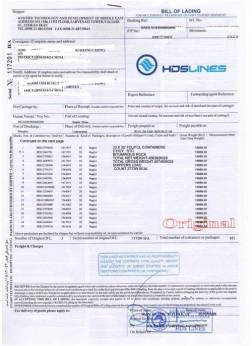
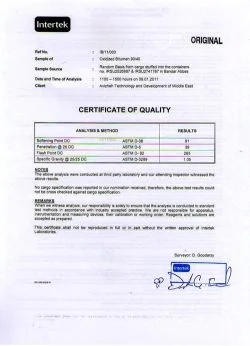
Certificate of Analysis (COA).
Packaging details and minimum order quantity.
Delivery terms and destination requirements.
For sensitive production processes, buyers should also request a sample and conduct a compatibility test.
This approach helps avoid formulation adjustments, unexpected viscosity changes, and unnecessary raw material consumption.
Buy Sodium Silicate for Industrial Applications
Industrial manufacturers require consistent chemical properties and dependable supply arrangements.
Choosing the correct grade improves production planning and helps maintain stable product performance across different manufacturing batches.
Before requesting a quotation, buyers should identify their application, preferred physical form, target chemical ratio, concentration, required quantity, and delivery destination.
Clear specifications help suppliers prepare accurate commercial offers and suitable logistics arrangements.
Request a bulk quotation for industrial water glass, including your technical requirements, packaging preference, and shipment destination.
Frequently Asked Questions
1. What is sodium silicate used for?
Manufacturers use this compound in detergents, construction products, foundry molds, water treatment, adhesives, paper processing, and selected ceramic applications. Its main functions include binding, alkaline control, and corrosion inhibition.
2. Is water glass the same chemical?
Yes. Water glass commonly refers to aqueous solutions of soluble alkali silicates. Commercial formulations vary in concentration and chemical composition.
3. What is the difference between liquid and solid grades?
Liquid grades support direct dosing and mixing. Solid grades provide concentrated material for dry storage or controlled dissolution. The correct choice depends on processing equipment and application requirements.
4. What is the chemical formula?
The general formula is Na₂O·nSiO₂. Different values of n represent different compositions within the chemical family.
5. Is sodium silicate soluble in water?
Many commercial grades dissolve in water, but the dissolution behavior varies with composition and physical form. Some solid products require controlled temperature and mixing conditions.
6. Can manufacturers use it in concrete?
Yes. Suitable formulations can support surface densification and dust reduction in cement-based materials. Contractors must evaluate the substrate and treatment conditions before application.
7. What affects the price per ton?
Chemical ratio, solids concentration, product form, order quantity, packaging, and freight costs influence pricing.
8. What is the typical pH of liquid water glass?
Many industrial liquid grades have a pH of approximately 11–13. The actual value depends on the chemical composition and concentration.
9. Is it suitable for detergent production?
Yes. Detergent manufacturers use selected grades to support alkalinity control, cleaning performance, and corrosion inhibition. Formulators must test compatibility and dosage.
10. What information should buyers provide for a quotation?
Buyers should provide the required chemical ratio, physical form, concentration, quantity, application, delivery location, and packaging preference.
Table of Contents
Technical Specifications – Sodium Silicate
| Parameter | Specification |
|---|---|
| Chemical Name | Sodium Silicate |
| Alternative Name | Water Glass, Liquid Glass, Soluble Glass |
| CAS Number | 1344-09-8 |
| Molecular Formula | Na₂O·nSiO₂ |
| Molecular Weight | Varies with chemical composition |
| Appearance | Clear to slightly hazy viscous liquid |
| Total Solids Content | 40 ± 2% |
| Silicon Dioxide (SiO₂) | 27–30% |
| Sodium Oxide (Na₂O) | 11–14% |
| SiO₂/Na₂O Molar Ratio | 2.0–2.6 |
| Density (20°C) | 1.40–1.50 g/cm³ |
| Specific Gravity (20°C) | 1.40–1.50 |
| pH | Approximately 11–13 |
| Boiling Point | Approximately 100°C or higher, concentration-dependent |
| Melting Point | Not applicable (aqueous solution) |
| Water Content | Approximately 58–62% |
| Color | Colorless to pale yellow |
| Flash Point | Not applicable (non-flammable) |
| Solubility in Water | Miscible |
| Viscosity | Grade and temperature dependent |
| Iron (Fe) | ≤ 150 ppm (reference grade) |
| Odor | Odorless |
| Available Grades | Industrial Liquid, Solid, Powder |
| Packaging | Drums, IBC Tanks, Bulk Tankers |
| HS Code | 2839.19 (country-dependent) |
References and certificates