Triethanolamine (TEA) – Industrial Uses, Specifications, Price & Bulk Supply
Triethanolamine (TEA) is a versatile industrial chemical that manufacturers use for pH adjustment, acid neutralization, emulsification, cement additives, detergents, metalworking fluids, and cosmetic formulations. Its combination of alkalinity, water solubility, and chemical stability makes it an important raw material across several manufacturing industries. Buyers can source Triethanolamine in different commercial grades, including TEA 85% and TEA 99%, depending on their production requirements, purity standards, and budget.
Industrial customers often compare Triethanolamine prices, purity levels, and technical specifications before selecting a supplier. Understanding these differences helps purchasing teams control formulation costs, avoid incompatible raw materials, and maintain consistent production quality.
What Is Triethanolamine (TEA)?
Triethanolamine is an organic compound that belongs to the ethanolamine family. It contains three hydroxyl groups and one tertiary amine group, allowing it to interact with acids, water, and various formulation ingredients.
Chemical manufacturers produce this compound through the reaction of ethylene oxide and ammonia under controlled conditions. This process also generates other ethanolamines, including monoethanolamine and diethanolamine.
Pure TEA typically appears as a clear, colorless to pale yellow, viscous liquid with a mild ammonia-like odor.
Its main chemical characteristics include:
High solubility in water
Effective acid-neutralizing properties
Relatively low volatility
Good compatibility with many polar ingredients
High boiling point
Useful buffering and pH-adjustment performance
Hygroscopic behavior
These properties make this alkanolamine suitable for industrial formulations that require controlled alkalinity and consistent processing performance.
Triethanolamine Technical Specifications
Industrial buyers should review the chemical properties and purity requirements before choosing a commercial grade.
The following table presents common identification data and representative properties of high-purity TEA.
| Parameter | Specification |
|---|---|
| Chemical Name | Triethanolamine |
| Abbreviation | TEA / TEOA |
| CAS Number | 102-71-6 |
| EC Number | 203-049-8 |
| Molecular Formula | C₆H₁₅NO₃ |
| Molecular Weight | 149.19 g/mol |
| Appearance | Clear, colorless to pale yellow viscous liquid |
| Purity | ≥ 99.0% (high-purity grade) |
| Density at 20°C | Approximately 1.124–1.127 g/cm³ |
| Boiling Point | Approximately 335°C |
| Melting Point | Approximately 20–21°C |
| Water Content | ≤ 0.2% (selected 99% grades) |
| Color (Pt-Co) | ≤ 40 (selected 99% grades) |
| Water Solubility | Completely miscible |
| Chemical Classification | Tertiary alkanolamine |
| Odor | Mild, ammonia-like |
These figures describe representative high-purity material. Actual specifications depend on the manufacturing grade and individual batch. Buyers should request an updated Technical Data Sheet and Certificate of Analysis to confirm the required limits.
Triethanolamine 85% vs 99% – Which Grade Should You Choose?
Manufacturers select TEA grades according to formulation requirements, processing temperatures, raw material costs, and chemical performance.
Triethanolamine 85%
TEA 85 typically contains approximately 85% Triethanolamine, with the remaining portion consisting mainly of water and other components according to the manufacturer’s formulation.
This grade offers practical advantages in applications that tolerate water and require easier handling at lower temperatures.
Common applications include:
Industrial cleaning formulations
Detergent manufacturing
Selected textile processing systems
Water-based chemical formulations
Industrial pH adjustment
Certain cement additive formulations
TEA 85 can offer a more economical purchasing option when the application does not require high-purity material.
Triethanolamine 99%
TEA 99 provides higher active chemical content and tighter purity control.
Manufacturers often select this grade when their processes require precise chemical concentrations or lower moisture content.
Typical applications include:
Specialty chemical manufacturing
High-performance metalworking fluids
Selected cosmetic formulations
Industrial emulsifiers
Chemical intermediates
Controlled pH-adjustment systems
High-purity TEA can also improve dosing consistency in formulations that require accurate neutralization ratios.
TEA 85 vs TEA 99 Comparison
| Property | TEA 85% | TEA 99% |
|---|---|---|
| Nominal TEA Content | Approximately 85% | Minimum 99% |
| Water Content | Higher | Lower |
| Low-Temperature Handling | Often easier | May solidify near room temperature |
| Active Content per kg | Lower | Higher |
| Typical Applications | General industrial formulations | Higher-purity formulations |
| Purchasing Consideration | Cost per unit of active TEA | Purity and consistency |
When comparing prices, manufacturers should calculate the cost per kilogram of active Triethanolamine rather than compare the quoted price per ton alone.
For example, one metric ton of TEA 85 nominally contains 850 kg of active material, while one metric ton of TEA 99 contains approximately 990 kg.
This difference affects formulation costs, shipping efficiency, and production dosing.
Industrial Applications of Triethanolamine
Manufacturers use this chemical in multiple industries because it offers practical benefits in both water-based and specialty chemical systems.
1. Triethanolamine in Cement Grinding Aids
The cement industry uses TEA in selected grinding aid formulations to influence particle dispersion and cement processing behavior.
During cement production, fine particles can agglomerate inside grinding equipment. Properly designed grinding aids help reduce this tendency and support more efficient grinding.
TEA may contribute to:
Improved cement grinding performance
Reduced particle agglomeration
Better particle distribution
Modified cement hydration behavior
Performance optimization in selected additive systems
However, the effect depends on cement composition, additive dosage, and grinding conditions.
Manufacturers should evaluate TEA through laboratory trials before introducing it into large-scale cement production.
2. Detergents and Industrial Cleaning Products
Cleaning product manufacturers use Triethanolamine as a neutralizing agent and formulation ingredient.
It helps adjust product alkalinity and supports the formation of certain surfactant salts.
Common applications include liquid detergents, industrial degreasers, floor cleaners, and selected hard-surface cleaning products.
In cleaning formulations, TEA can help manufacturers maintain a target pH and improve compatibility between selected acidic and alkaline ingredients.
Formulators must still test cleaning efficiency, material compatibility, and long-term product stability.
3. Cosmetics and Personal Care Products
Personal care manufacturers use suitable grades of Triethanolamine to control pH and neutralize selected acidic formulation components.
Common product categories include:
Skin creams
Moisturizing lotions
Hair styling gels
Cleansing products
Liquid cosmetic formulations
Selected emulsified personal care products
For example, formulators may combine TEA with suitable acidic polymers to develop the desired gel structure and viscosity.
However, cosmetic applications require appropriate purity, regulatory compliance, and formulation testing. Manufacturers must also control potential nitrosamine-related risks and incompatible ingredients.
Industrial-grade material does not automatically meet cosmetic-grade requirements.
Triethanolamine in Metalworking Fluids and Lubricant Formulations
Metalworking fluid manufacturers use TEA in selected water-based cutting fluids, machining lubricants, and corrosion-control formulations.
Its acid-neutralizing ability helps formulators maintain suitable alkalinity and produce selected amine salts that support fluid performance.
The chemical can contribute to:
Stable formulation pH
Corrosion-control systems
Emulsifier preparation
Water-based fluid stability
Neutralization of acidic ingredients
For related chemical formulations, manufacturers may also evaluate Monoethanolamine (MEA), which offers different alkalinity and reactivity characteristics.
The two chemicals should not replace each other without testing because their molecular structures and formulation behavior differ.
How TEA Supports Corrosion Control
Triethanolamine does not automatically prevent corrosion in every formulation. Instead, manufacturers use it with selected corrosion inhibitors and compatible additives.
The complete formulation determines the final protection level.
Therefore, metalworking fluid producers should evaluate corrosion resistance, microbial stability, pH retention, and material compatibility under actual operating conditions.
Triethanolamine in Textile Processing and Coatings
Textile chemical manufacturers use TEA in selected processing formulations that require pH adjustment, chemical neutralization, or surfactant preparation.
Its water solubility allows manufacturers to incorporate it into compatible aqueous systems.
In coating production, the chemical can support the preparation of certain water-based formulations and help control alkalinity.
Manufacturers may use it in:
Industrial coating formulations
Selected textile auxiliaries
Water-based polymer systems
Specialty resin formulations
Industrial surface-treatment chemicals
However, formulators must consider chemical compatibility and the influence of TEA on drying, film formation, and long-term product performance.
Triethanolamine vs Monoethanolamine and Diethanolamine
Although MEA, DEA, and TEA belong to the same chemical family, their different molecular structures create distinct performance characteristics.
| Property | MEA | DEA | TEA |
|---|---|---|---|
| Chemical Type | Primary amine | Secondary amine | Tertiary amine |
| Molecular Weight | 61.08 | 105.14 | 149.19 |
| Hydroxyl Groups | 1 | 2 | 3 |
| Boiling Point | ~170°C | ~269°C | ~335°C |
| Relative Volatility | Higher | Intermediate | Lower |
| Common Applications | Gas treatment, synthesis | Chemical intermediates, gas treatment | Neutralization, cement additives, formulations |
MEA generally provides faster reaction kinetics in conventional carbon dioxide absorption systems than TEA.
Meanwhile, Triethanolamine offers advantages in selected applications that require lower volatility, higher molecular weight, and particular neutralization or formulation characteristics.
Industrial buyers should choose these chemicals according to their actual process requirements rather than assume that all ethanolamines deliver identical results.
For another member of this chemical family, manufacturers can review Diethanolamine (DEA) and compare its properties with TEA before selecting a formulation ingredient.
Triethanolamine Price Per Ton
Triethanolamine prices fluctuate according to feedstock costs, purity grades, production capacity, supply conditions, and international demand.
Manufacturers generally quote industrial TEA according to order quantity, packaging type, destination, and agreed delivery terms.
Factors That Influence TEA Prices
1. Raw Material Costs
Ethylene oxide and ammonia influence ethanolamine production economics. Changes in these feedstock markets can affect manufacturing costs and supplier quotations.
2. Product Purity
TEA 85 and TEA 99 have different active chemical concentrations. Higher-purity products may require tighter production and quality-control procedures.
3. Order Quantity
Large industrial orders can reduce certain handling and logistics costs per metric ton.
However, minimum order quantities and available shipping arrangements depend on the supplier.
4. Packaging Requirements
Drums, intermediate bulk containers, and bulk tanks involve different packaging, cleaning, handling, and freight costs.
5. Export Destination
Freight rates, port charges, customs procedures, and regional import requirements influence the final delivered price.
6. Market Availability
Regional production changes, maintenance shutdowns, and fluctuations in industrial demand can affect commercial availability.
How to Request an Accurate TEA Quotation
Buyers should include the following information in a commercial inquiry:
Required purity: TEA 85% or TEA 99%
Order quantity in metric tons
Preferred packaging
Destination port or delivery address
Required shipment schedule
Preferred Incoterms
Applicable technical standards
A complete inquiry helps suppliers prepare a more accurate quotation and avoid unnecessary delays during commercial negotiations.
Triethanolamine Packaging and Bulk Transportation
Industrial chemical suppliers commonly offer several packaging options for Triethanolamine.
Steel Drums
Steel drums provide practical packaging for customers who need manageable shipment quantities.
Common nominal drum capacities include approximately 200 kg, depending on the product, container design, and filling requirements.
IBC Tanks
Intermediate Bulk Containers offer a practical alternative for customers who need larger quantities without investing in dedicated bulk storage equipment.
Suppliers typically select IBC specifications according to product compatibility and transportation requirements.
ISO Tanks and Bulk Shipments
Large industrial customers may choose suitable bulk tank arrangements to reduce packaging waste and improve handling efficiency.
However, tank availability and loading quantities depend on shipment conditions, container specifications, and applicable transport rules.
Storage Recommendations
Triethanolamine absorbs moisture from the surrounding environment, so operators should keep containers tightly sealed.
Store the chemical in clean, dry, compatible containers away from excessive heat and incompatible substances.
High-purity TEA may crystallize or solidify when storage temperatures fall near its melting point. Operators should follow the supplier’s handling guidance before applying controlled heating.
Avoid contamination and use suitable personal protective equipment during transfer operations.
How to Choose a Reliable Triethanolamine Supplier
Selecting a supplier requires more than comparing the lowest commercial offer.
Industrial purchasing teams should assess chemical quality, documentation, consistency, packaging, and delivery arrangements.
Basekim supplies Triethanolamine (TEA) for industrial customers and supports inquiries for different grades, technical requirements, and export destinations.
Before purchasing, buyers should evaluate the following factors.
Product Quality and Consistency
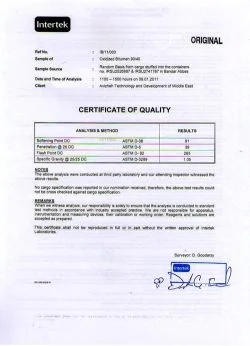
Request a current Certificate of Analysis to verify chemical purity and relevant quality parameters.
Batch consistency matters particularly in continuous manufacturing operations and sensitive formulations.
Technical Documentation
A professional purchasing process should include access to:
Technical Data Sheet (TDS)
Safety Data Sheet (SDS/MSDS)
Certificate of Analysis (COA)
Packaging information
Relevant shipping and commercial documents
Export and Delivery Planning
International buyers should confirm the delivery schedule, packing method, destination requirements, and agreed Incoterms before completing an order.
Commercial Transparency
A clear quotation should identify the chemical grade, net quantity, currency, shipment terms, and quotation validity.
These details help procurement teams compare offers fairly and calculate the actual delivered cost.
Triethanolamine Safety and Handling
Industrial facilities should implement suitable handling procedures when working with concentrated TEA.
Although the material has relatively low volatility, direct exposure can irritate the eyes and skin.
Operators should follow the applicable Safety Data Sheet and use appropriate protective equipment.
General precautions include:
Wear suitable chemical-resistant gloves and protective eyewear.
Avoid direct contact with the eyes and skin.
Prevent spills and contamination.
Maintain adequate workplace ventilation.
Keep containers closed when not in use.
Store away from incompatible chemicals.
Follow local environmental and waste-disposal regulations.
Manufacturers should also assess ingredient compatibility in formulations that contain nitrosating agents because some chemical combinations may create undesirable nitrosamine-related risks.
The exact hazard classification and recommended controls depend on the grade, composition, and applicable regulations.
Frequently Asked Questions About Triethanolamine (TEA)
1. What is Triethanolamine used for?
Manufacturers use Triethanolamine for pH adjustment, acid neutralization, cement grinding aids, detergents, metalworking fluids, industrial coatings, and selected cosmetic formulations.
2. What is the CAS number of Triethanolamine?
Triethanolamine has the CAS number 102-71-6. This identification number helps buyers verify chemical documentation and distinguish the product from related ethanolamines.
3. What is the difference between TEA 85 and TEA 99?
TEA 85 contains approximately 85% active Triethanolamine, while TEA 99 contains at least 99%. Higher-purity material provides more active chemical per kilogram and usually contains less water.
4. What is the current Triethanolamine price per ton?
The price depends on purity, order quantity, supplier availability, packaging, and delivery destination. Buyers should request a current quotation rather than rely on an outdated market estimate.
5. Is Triethanolamine soluble in water?
Yes. Triethanolamine mixes completely with water, making it suitable for many aqueous industrial formulations.
6. What is the molecular formula of TEA?
The molecular formula is C₆H₁₅NO₃, and its molecular weight is approximately 149.19 g/mol.
7. Can manufacturers use Triethanolamine in cosmetics?
Yes. Manufacturers use suitable grades in selected cosmetic formulations, provided they follow applicable regulations, purity requirements, and ingredient compatibility guidelines.
8. What is the boiling point of Triethanolamine?
Pure TEA has a boiling point of approximately 335°C at atmospheric pressure, although thermal decomposition and operating conditions can affect its behavior at elevated temperatures.
9. Is Triethanolamine the same as Trolamine?
Yes. Trolamine is another name for Triethanolamine. Both terms refer to the same chemical compound with CAS number 102-71-6.
10. What packaging options are available for bulk orders?
Common industrial options include steel drums, compatible IBC containers, and suitable bulk tanks. Buyers should confirm actual packaging availability before ordering.
11. Does Triethanolamine prevent corrosion?
TEA can contribute to corrosion-control formulations through pH adjustment and selected chemical interactions. However, its effectiveness depends on the full additive system and operating conditions.
12. What documents should buyers request before purchasing?
Buyers should request a Technical Data Sheet, Safety Data Sheet, Certificate of Analysis, and applicable packaging and shipping documentation.
Buy Triethanolamine (TEA) for Industrial Applications
Triethanolamine remains an important raw material for manufacturers that require reliable pH control, neutralization performance, and versatility across different chemical formulations.
Selecting the correct purity grade helps industrial customers optimize production costs, maintain chemical consistency, and control formulation performance.
Whether a manufacturing process requires TEA 85 for general industrial use or TEA 99 for higher-purity applications, buyers should prioritize accurate specifications, suitable packaging, and dependable commercial documentation.
Request a Triethanolamine quotation today. Include your required purity, shipment quantity, destination, and packaging preferences to receive an offer that matches your industrial purchasing requirements.
Table of Contents
Parameter | Specification |
|---|---|
Chemical Name | Triethanolamine (TEA) |
CAS Number | 102-71-6 |
Molecular Formula | C₆H₁₅NO₃ |
Molecular Weight | 149.19 g/mol |
Appearance | Clear, colorless to pale yellow viscous liquid |
Purity | ≥ 99.0% |
Density (20°C) | ~1.124–1.127 g/cm³ |
Boiling Point | ~335°C |
Melting Point | ~20–21°C |
Water Content | ≤ 0.2% (grade-dependent) |
Specific Gravity (20/20°C) | ~1.125 |
Color (APHA/Pt-Co) | ≤ 40 (grade-dependent) |
Flash Point | ~179°C (closed cup) |
pH | Alkaline (concentration-dependent) |
Solubility | Completely miscible with water |
References and certificates