Diethanolamine (DEA) 99% – Industrial Uses, Specifications & Bulk Supply
Diethanolamine (DEA) is a versatile industrial chemical used in natural gas treatment, surfactant production, chemical synthesis, lubricants, and manufacturing processes. Its alkaline properties, excellent water solubility, and reactive molecular structure make it valuable for numerous industrial applications. However, choosing the right grade involves more than checking purity. Water content, chemical composition, storage conditions, and compatibility with production systems all influence performance. Basekim supplies DEA 99% for industrial buyers, chemical distributors, and international wholesale customers, offering sourcing solutions based on technical requirements, packaging preferences, and order quantities.
Manufacturers and purchasing managers need reliable information before ordering this chemical in bulk. Understanding its physical properties, available grades, processing characteristics, and commercial requirements helps companies avoid unnecessary production costs. This guide covers technical specifications, industrial applications, grade comparisons, packaging, pricing factors, and practical purchasing considerations.
What Is Diethanolamine?
DEA belongs to the ethanolamine family of organic compounds. Its molecular structure contains two hydroxyl groups and one secondary amine group, allowing it to participate in chemical reactions associated with both alcohols and amines.
Manufacturers produce this compound through a controlled reaction between ethylene oxide and ammonia. The process also generates other ethanolamines, including Monoethanolamine (MEA) and Triethanolamine (TEA).
The resulting material offers several useful characteristics:
Excellent water solubility
Moderate alkalinity
Relatively low volatility
Chemical reactivity
Compatibility with selected industrial formulations
Ability to react with acidic compounds
Pure material typically appears as a colorless to pale yellow viscous liquid or crystalline solid, depending on temperature.
One important property concerns its melting point. At approximately 28°C, the chemical can solidify under normal warehouse conditions in cooler climates. Buyers should consider this behavior when planning storage, transportation, and unloading operations.
Other names include Diolamine, 2,2′-Iminodiethanol, and Bis(2-hydroxyethyl)amine. All refer to the same substance, identified by CAS Number 111-42-2.
Technical Specifications
Industrial buyers should check technical properties before selecting a grade for production. Small differences in composition may affect chemical reactions, formulation consistency, and process efficiency.
The following table presents typical reference properties for high-purity DEA.
| Parameter | Typical Specification |
|---|---|
| Chemical Name | Diethanolamine (DEA) |
| CAS Number | 111-42-2 |
| Molecular Formula | C₄H₁₁NO₂ |
| Molecular Weight | 105.14 g/mol |
| Appearance | Colorless to pale yellow viscous liquid or solid |
| Purity | ≥ 99.0% |
| Density (20°C) | ~1.09 g/cm³ |
| Boiling Point | ~269–271°C |
| Melting Point | ~28°C |
| Water Content | ≤ 0.2% (grade-dependent) |
| Specific Gravity (20/20°C) | ~1.09 |
| Color (APHA/Pt-Co) | Grade-dependent |
| Flash Point | ~138°C (method-dependent) |
| pH | Alkaline (concentration-dependent) |
| Solubility | Completely miscible with water |
These figures represent general technical references rather than guaranteed batch limits. Actual product specifications depend on the manufacturer and commercial grade.
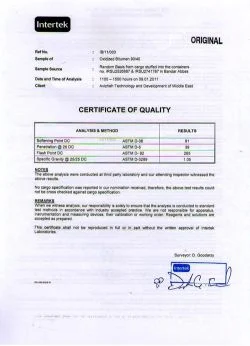
For critical industrial applications, buyers should request a Technical Data Sheet (TDS) and Certificate of Analysis (COA) before confirming an order.
Industrial Applications and Uses
The chemical industry uses DEA in several manufacturing processes because its molecular structure supports neutralization, chemical synthesis, and the production of specialized compounds.
1. Natural Gas Sweetening
Gas treatment represents one of the most established industrial applications.
Processing facilities use aqueous amine solutions to remove hydrogen sulfide (H₂S) and carbon dioxide (CO₂) from natural gas and selected industrial gas streams.
During operation, contaminated gas enters an absorption tower and contacts the circulating solvent. The solution captures acidic components, allowing treated gas to continue through the processing system.
Operators then regenerate the solvent through controlled heating and return it to the absorption stage.
Several factors influence treatment performance:
Solvent concentration
Operating pressure and temperature
Acid gas composition
Circulation rate
Regeneration efficiency
Equipment design
Contamination control
Although DEA provides an established option for gas sweetening, engineers must evaluate corrosion, solvent degradation, foaming, and energy consumption.
The most suitable amine system depends on the gas composition and operating requirements.
2. Detergents and Surfactant Manufacturing
Chemical producers use this secondary amine as an intermediate in manufacturing selected surfactants and cleaning ingredients.
Its reactive structure allows manufacturers to produce derivatives that can contribute to emulsification, viscosity adjustment, and foam characteristics.
Historically, producers have used fatty acid alkanolamides derived from DEA in certain detergents, cleaning formulations, and personal care products.
However, the parent chemical and its derivatives have different properties and regulatory requirements.
Manufacturers must evaluate potential nitrosamine formation when secondary amines interact with nitrosating agents. They should also confirm that their intended applications comply with relevant safety regulations.
3. Lubricants and Metalworking Fluids
Industrial lubricant manufacturers use selected ethanolamine derivatives to develop additives for metalworking and fluid processing systems.
These compounds can support several formulation functions, including:
Corrosion inhibition
Alkalinity adjustment
Emulsification
Lubricant additive production
Metal surface protection
Formulation stability
The effectiveness of each additive depends on its chemical composition, concentration, operating temperature, and compatibility with other ingredients.
Manufacturers should conduct formulation trials before introducing a new chemical into production.
In particular, metalworking fluid producers must evaluate nitrosamine risks when secondary amines and nitrosating substances may come into contact.
4. Textile Processing
Textile manufacturers use selected ethanolamine-based compounds in the production of chemical auxiliaries.
These materials can support emulsification, chemical preparation, and certain wet-processing operations.
Suitable grades depend on the textile production method, processing conditions, and chemical formulation.
Purchasers should evaluate purity and impurity limits when consistent product quality is essential.
5. Chemical Synthesis and Intermediates
The compound’s secondary amine and hydroxyl groups allow it to participate in different chemical reactions.
Industrial manufacturers use it as a starting material for producing:
Specialty chemical intermediates
Surfactant derivatives
Corrosion inhibitor components
Processing additives
Selected agricultural chemical intermediates
Industrial formulation ingredients
Reaction conditions and final product requirements determine the necessary raw material quality.
For this reason, chemical producers should assess impurity profiles instead of choosing a grade based only on its advertised purity.
6. Construction Chemicals
Certain ethanolamine compounds also have applications in cement additives and construction chemical systems.
Manufacturers may evaluate DEA as a formulation component or intermediate in selected grinding aid technologies.
However, cement performance depends on the complete chemical formulation, dosage, and raw material composition.
Laboratory trials remain essential before commercial adoption.
DEA vs Triethanolamine (TEA)
Although these two ethanolamines share several characteristics, their molecular structures create important differences.
DEA acts as a secondary amine, while TEA acts as a tertiary amine. This distinction affects chemical reactivity and suitability for different processes.
| Property | DEA | TEA |
|---|---|---|
| Molecular Formula | C₄H₁₁NO₂ | C₆H₁₅NO₃ |
| Molecular Weight | 105.14 g/mol | 149.19 g/mol |
| Amine Type | Secondary | Tertiary |
| Hydroxyl Groups | 2 | 3 |
| Melting Point | ~28°C | ~21°C |
| Common Applications | Gas treatment, intermediates, surfactants | Neutralization, cement additives, formulations |
| N–H Bond | Present | Absent |
TEA commonly serves applications involving neutralization, pH adjustment, and specialty chemical production.
For manufacturers evaluating related raw materials, Triethanolamine 85% provides another option for industrial formulation requirements.
However, the two compounds are not automatically interchangeable. Buyers should assess chemical compatibility, process conditions, and desired performance before making substitutions.
DEA vs Monoethanolamine (MEA)
Another common comparison involves Monoethanolamine, a primary amine used in gas processing and industrial chemical manufacturing.
Both compounds can react with acidic substances, but differences in molecular structure influence reaction kinetics, volatility, and operating behavior.
| Property | MEA | DEA |
|---|---|---|
| Molecular Formula | C₂H₇NO | C₄H₁₁NO₂ |
| Molecular Weight | 61.08 g/mol | 105.14 g/mol |
| Amine Classification | Primary | Secondary |
| Boiling Point | ~170°C | ~269°C |
| Relative Volatility | Higher | Lower |
| Common Applications | Gas treatment, chemical intermediates | Gas treatment, surfactants, intermediates |
MEA often provides faster acid gas absorption kinetics under comparable operating conditions.
Meanwhile, the secondary amine offers different characteristics that may benefit specific treatment systems.
Process engineers should evaluate corrosion behavior, regeneration requirements, solvent losses, and overall operating cost rather than relying on one property.
Available Purity Grades
Commercial ethanolamine products may differ in assay, water concentration, color, and manufacturing impurities.
Selecting the correct specification helps reduce the risk of inconsistent processing performance.
High-Purity DEA 99%
A 99% grade targets applications requiring tighter chemical composition controls.
Manufacturers commonly evaluate this material for chemical synthesis, specialty intermediates, and selected industrial formulations.
Important quality parameters include:
Assay or purity
Water concentration
Monoethanolamine content
Triethanolamine content
Color
Relevant impurities
Batch consistency
A COA helps purchasers verify whether the supplied material meets their acceptance criteria.
Technical Grade
Technical-grade material may contain a broader range of impurities or a different composition, depending on the supplier.
This option can serve processes that tolerate less restrictive specifications.
However, a lower purity grade does not automatically offer better value.
Manufacturers should consider how impurities affect reaction efficiency, product quality, solvent performance, and equipment maintenance.
Price per Ton and Wholesale Purchasing
The market price of DEA depends on raw material costs, production availability, order volume, packaging, and international transportation.
Because manufacturers produce ethanolamines using ethylene oxide and ammonia, changes in these feedstock markets can influence quotations.
Other important pricing factors include:
Purity: Tighter specifications may increase production and quality-control costs.
Quantity: Larger industrial purchases can improve packaging and handling efficiency.
Packaging: Drum, IBC, and bulk transport options involve different costs.
Destination: Freight rates, port charges, insurance, and import requirements influence total purchasing expenses.
Delivery Terms: FOB, CFR, and CIF offers include different transportation responsibilities.
How Buyers Can Request an Accurate Quotation
A complete inquiry should identify the requested grade, quantity, packaging, destination port, and preferred delivery terms.
Buyers purchasing material for continuous manufacturing should also communicate their expected monthly consumption.
When comparing suppliers, purchasing teams should use equivalent specifications and shipment conditions.
This approach provides a more useful cost comparison than evaluating the quoted product price alone.
Bulk Supply and International Export
Reliable chemical procurement requires consistent specifications, appropriate packaging, accurate documentation, and predictable delivery arrangements.
Industrial companies should review their technical requirements before placing large orders.
For example, manufacturers should determine whether their processes require tightly controlled water content, specific impurity limits, or particular unloading arrangements.
A broader chemical purchasing program may also include related industrial feedstocks. Companies operating in polyester and PET manufacturing can review Mono Ethylene Glycol (MEG) as a separate raw material for those applications.
Although these chemicals serve different purposes, both require careful quality evaluation and logistics planning.
Export Documentation
International buyers should request the documents applicable to their shipment:
Technical Data Sheet (TDS)
Safety Data Sheet (SDS/MSDS)
Certificate of Analysis (COA)
Commercial invoice
Packing list
Certificate of Origin, when required
Applicable customs and transport documents
Importers should also check chemical registration and local regulatory requirements before confirming shipments.
Packaging and Transportation Options
Industrial suppliers may offer several packaging formats according to order volume, available facilities, and destination requirements.
| Packaging | Typical Application |
|---|---|
| Suitable Chemical Drums | Small and medium orders |
| IBC Tanks | Medium-volume industrial consumption |
| ISO Tanks | Large-volume international shipments |
| Bulk Tankers | High-volume deliveries where appropriate |
Buyers should confirm available packaging, container compatibility, and transport conditions before purchasing.
Temperature control deserves particular attention.
Because pure material can solidify around 28°C, cooler weather may affect pumping and unloading.
Facilities should consider appropriate heating equipment and handling procedures when receiving large quantities.
Storage and Safe Handling
Correct storage helps maintain chemical quality and reduces the risks associated with industrial exposure.
Warehouse operators should keep containers tightly closed, use compatible storage materials, and prevent contamination.
Employees should use suitable protective equipment and follow established chemical handling procedures.
Important precautions include:
Provide appropriate workplace ventilation.
Wear chemical-resistant gloves and eye or face protection.
Avoid direct contact with skin and eyes.
Keep containers away from incompatible chemicals.
Prevent uncontrolled heating.
Follow approved spill management procedures.
Review the supplier’s current Safety Data Sheet.
The substance can cause serious eye damage and presents additional health concerns associated with repeated exposure.
Facilities must follow applicable occupational exposure controls and safety regulations.
Why Can the Product Solidify?
High-purity DEA has a melting point close to common ambient temperatures.
Consequently, warehouses in cooler environments may experience crystallization or partial solidification.
This behavior does not necessarily indicate reduced purity or product deterioration.
Operators can restore flow characteristics through suitable controlled-temperature equipment, provided they follow the manufacturer’s handling instructions.
Technical Data Sheet and Safety Data Sheet
Chemical buyers should review technical and safety documentation before approving material for production.
A Technical Data Sheet (TDS) generally identifies product composition, physical properties, quality parameters, and storage recommendations.
A Safety Data Sheet (SDS/MSDS) provides information about hazards, handling precautions, exposure controls, first aid, accidental releases, firefighting, and disposal.
For quality assurance, buyers should also request a batch-specific Certificate of Analysis.
These documents serve different purposes. A TDS describes typical product characteristics, while a COA confirms tested parameters for a particular batch.
How to Choose a Reliable Supplier
Industrial purchasing decisions should consider product quality, commercial conditions, and supply reliability.
A competitive quotation offers limited value when the product fails to meet processing requirements.
Check Technical Compatibility
Review the requested grade against your production specifications.
Evaluate purity, water content, chemical composition, and acceptable impurity levels.
Compare Total Purchasing Cost
Consider product price, packaging, transportation, handling expenses, and delivery conditions.
For large orders, the lowest initial quotation may not provide the lowest delivered cost.
Evaluate Supply Consistency
Manufacturers operating continuous production lines need predictable deliveries and stable material quality.
Clear technical requirements and agreed acceptance criteria help avoid disputes and reduce procurement risks.
Frequently Asked Questions
1. What is Diethanolamine used for?
Manufacturers use this compound in gas treatment, surfactant production, chemical synthesis, industrial lubricant additives, and selected textile processing applications.
2. What is the CAS number of DEA?
The CAS number is 111-42-2.
3. What is its molecular formula?
The molecular formula is C₄H₁₁NO₂, with a molecular weight of approximately 105.14 g/mol.
4. What does DEA 99% mean?
This designation generally identifies a high-purity grade containing at least 99% of the target compound, according to the supplier’s analytical specification.
5. How much does DEA cost per ton?
Pricing depends on purity, raw material markets, purchase quantity, packaging, destination, and delivery terms. Buyers should request a current commercial quotation.
6. Is the chemical soluble in water?
Yes. It is completely miscible with water and works in various aqueous industrial systems.
7. What is its melting point?
Pure material melts at approximately 28°C and may crystallize or solidify during cool storage conditions.
8. What is the difference between DEA and TEA?
DEA is a secondary amine containing two hydroxyl groups, while TEA is a tertiary amine containing three. Their molecular structures produce different chemical behavior and applications.
9. Can it remove hydrogen sulfide from natural gas?
Yes. Gas processing facilities use suitable aqueous amine solutions to absorb hydrogen sulfide and carbon dioxide.
10. Is DEA suitable for cosmetics?
Certain derivatives have a history of use in personal care formulations. However, health concerns, nitrosamine formation risks, and applicable regulations require careful assessment.
11. What packaging can industrial buyers request?
Depending on supplier availability, suitable drums, IBC tanks, ISO tanks, and bulk transport arrangements may be available.
12. Is Diethanolamine hazardous?
Yes. It can cause serious eye damage and presents additional health hazards. Industrial users should follow the current SDS and implement appropriate exposure controls.
13. What is the difference between DEA and Diethylene Glycol?
They have different molecular structures and chemical functions. DEA belongs to the ethanolamine family, while Diethylene Glycol belongs to the glycol family. They are not interchangeable.
14. Where can I purchase bulk quantities?
Industrial chemical suppliers and exporters provide commercial sourcing arrangements for manufacturers, traders, and distributors. Buyers should verify technical specifications and supply conditions before ordering.
15. Which documents should buyers request?
Important documents include the TDS, SDS, COA, packing information, and commercial quotation. Additional export documents may apply to international shipments.
Buy Diethanolamine in Bulk from Basekim
Selecting the right industrial chemical helps manufacturers maintain consistent production, control purchasing costs, and reduce processing risks. Product purity, technical compatibility, packaging, and reliable delivery arrangements all contribute to successful procurement.
Basekim supplies Diethanolamine 99% for industrial manufacturers, chemical distributors, and international wholesale buyers. Customers can inquire about available grades, technical specifications, packaging arrangements, shipment quantities, and commercial conditions.
Contact Basekim to request a DEA price quotation, discuss bulk purchasing requirements, and source suitable material for your industrial applications.
Table of Contents
Parameter | Specification |
|---|---|
Chemical Name | Diethanolamine (DEA) |
CAS Number | 111-42-2 |
Molecular Formula | C₄H₁₁NO₂ |
Molecular Weight | 105.14 g/mol |
Appearance | Clear, colorless to pale yellow viscous liquid or solid |
Purity | ≥ 99.0% |
Density (20°C) | ~1.0966 g/cm³ |
Boiling Point | ~269–271°C |
Melting Point | ~28°C |
Water Content | ≤ 0.2% (grade-dependent) |
Specific Gravity (20/20°C) | ~1.097 |
Color (APHA/Pt-Co) | ≤ 20 (grade-dependent) |
Flash Point | ~138°C (closed cup) |
pH | Alkaline (concentration-dependent) |
Solubility | Completely miscible with water |
References and certificates