Mono Ethylene Glycol (MEG) – Industrial Chemical
Triethylene Glycol (TEG) is a high-boiling, moisture-absorbing industrial glycol widely used in natural gas dehydration, chemical processing, solvent formulations, and industrial moisture control. Its strong affinity for water and low volatility make it especially valuable in systems that must remove moisture without constantly replacing the dehydration fluid. Industries use TEG to protect gas pipelines from hydrate formation, reduce moisture-related operating problems, and maintain stable manufacturing processes. Basekim supplies Triethylene Glycol for industrial buyers, offering bulk sourcing and export solutions for customers seeking reliable glycol supply.
Whether you need high-purity TEG for a natural gas processing plant or industrial-grade material for chemical manufacturing, selecting the right product specification matters as much as finding a competitive price. Purity, water content, packaging condition, and storage practices directly affect the quality of the material you receive.
What Is Triethylene Glycol (TEG)?
Triethylene Glycol, also known as TEG or Triglycol, belongs to the ethylene glycol family. It appears as a clear, colorless, practically odorless, and moderately viscous liquid. Its molecular structure contains hydroxyl and ether groups that help it interact with water and many polar substances.
TEG combines three ethylene glycol units within one molecule. Compared with Monoethylene Glycol (MEG) and Diethylene Glycol (DEG), it has a higher molecular weight, higher boiling point, and greater viscosity.
These characteristics allow TEG to serve applications that need moisture control, low evaporation, and controlled processing at elevated temperatures.
Manufacturers also use Triethylene Glycol as an intermediate in specialty chemicals and as a component in selected plasticizers, inks, lubricants, and industrial formulations.
Triethylene Glycol Specifications and Chemical Properties
Industrial buyers should review the physical properties of TEG before selecting the material for a specific process. The following table summarizes commonly reported properties of pure Triethylene Glycol.
| Property | Typical Value |
|---|---|
| Chemical Name | Triethylene Glycol |
| Abbreviation | TEG |
| CAS Number | 112-27-6 |
| EC Number | 203-953-2 |
| Molecular Formula | C₆H₁₄O₄ |
| Molecular Weight | 150.17 g/mol |
| Appearance | Clear, colorless liquid |
| Odor | Practically odorless |
| Boiling Point | Approximately 285°C |
| Freezing Point | Approximately −7°C |
| Density at 20°C | Approximately 1.125 g/cm³ |
| Dynamic Viscosity at 20°C | Approximately 47.8 mPa·s |
| Flash Point | Approximately 165°C, depending on test method |
| Water Solubility | Completely miscible |
| Hygroscopic Nature | Absorbs atmospheric moisture |
Triethylene Glycol Purity and Industrial Grades
Commercial TEG commonly targets high purity, and suppliers may offer grades with nominal specifications around 99% or 99.5% and above. However, the required quality depends on the intended application and the producer’s specification.
A proper TEG technical data sheet should clearly identify:
TEG assay or purity percentage
Water content
Color and appearance
Density at a specified temperature
Acidity
Relevant glycol impurities
Applicable laboratory test methods
For gas dehydration systems, water content and impurity control deserve particular attention. Even when two products show similar purity percentages, differences in water content or contamination may affect their operating performance.
Therefore, buyers should request a recent Certificate of Analysis before confirming a large industrial shipment.
Triethylene Glycol Uses and Industrial Applications
Triethylene Glycol supports several industrial processes, but natural gas dehydration remains one of its most important commercial applications.
1. Natural Gas Dehydration
Gas processing facilities use TEG to remove water vapor from natural gas before transmission, storage, and downstream processing.
Untreated natural gas may contain moisture that contributes to pipeline corrosion and gas hydrate formation. Under suitable pressure and temperature conditions, hydrates can restrict or block equipment and pipelines.
A TEG dehydration unit reduces these risks through a continuous absorption and regeneration process.
During operation, the system brings wet natural gas into contact with relatively dry glycol inside an absorber column. The glycol absorbs water, while the treated gas exits with a lower water-vapor content.
The system then transfers the water-rich glycol to a regeneration section. Heat and separation equipment remove absorbed water and prepare the glycol for another dehydration cycle.
TEG’s high boiling point and low volatility make it practical for this type of regeneration-based operation.
2. Industrial Solvent Applications
Triethylene Glycol also acts as a high-boiling industrial solvent in selected chemical formulations.
Its slow evaporation helps formulators manage processing time and maintain consistency in products that require longer working periods.
Manufacturers may use it in:
Printing inks and specialty coatings
Pigment and dye formulations
Chemical processing intermediates
Selected adhesive formulations
Industrial solvent blends
Because TEG mixes readily with water and many polar compounds, formulators can incorporate it into systems that require controlled solvency and moisture interaction.
Nevertheless, manufacturers should verify compatibility with their complete formulation before selecting TEG as the primary solvent.
3. Plasticizers and Resin Processing
Chemical manufacturers use Triethylene Glycol in selected plasticizer production and specialty polymer-related applications.
Its chemical structure supports the production of derivatives that modify material flexibility and processing characteristics.
In particular, TEG and its derivatives can contribute to certain plasticizer formulations for films, adhesives, and other specialty materials.
However, formulators should distinguish between pure TEG and the compounds manufactured from it. The final performance depends on the complete plasticizer chemistry rather than the glycol alone.
4. Industrial Dehumidification and Moisture Control
TEG also offers moisture-absorbing properties for engineered dehumidification systems.
Some industrial processes require controlled humidity to protect raw materials, maintain product quality, or reduce condensation. Liquid-desiccant systems can use suitable glycol formulations to absorb water from moist gas or air streams.
However, the equipment must control glycol carryover, temperature, contamination, and regeneration conditions.
For this reason, system designers should evaluate the actual glycol formulation and operating conditions rather than select TEG based only on its hygroscopic properties.
5. Specialty Industrial Fluids
Triethylene Glycol can serve as a component in selected specialty lubricants, hydraulic formulations, and process fluids.
Its low volatility and viscosity make it useful when formulators need controlled evaporation and stable fluid behavior within a defined operating range.
Nevertheless, TEG does not replace every glycol or lubricant base fluid. Engineers must assess material compatibility, additive requirements, lubrication performance, and operating temperature before approving a formulation.
Triethylene Glycol for Natural Gas Dehydration: What Buyers Should Check
TEG quality influences more than a dehydration unit’s initial performance. It can also affect operating expenses, maintenance requirements, and fluid replacement intervals.
One often-overlooked purchasing issue involves the difference between fresh glycol purity and circulating lean glycol concentration.
Fresh commercial TEG may arrive with a high assay. However, once the system begins operation, water absorption changes the circulating glycol composition.
The regeneration system must restore the glycol to a concentration that can meet the required outlet gas water specification.
Consequently, gas processing operators should assess several factors before buying TEG.
Water Content: Excess water in a fresh shipment can increase the initial regeneration requirement and reduce the effective concentration of the supplied fluid.
Glycol Contamination: Hydrocarbons, salts, suspended solids, and degradation products may contribute to foaming, fouling, corrosion, or inefficient operation.
Regeneration Conditions: Temperature, pressure, stripping arrangements, and equipment design influence the lean glycol concentration that the system can achieve.
Fluid Losses: Entrained droplets, leaks, and vapor-related losses can increase makeup glycol consumption.
Product Consistency: Repeatable quality helps plants control fluid performance between deliveries.
A purchasing decision should therefore consider the lifetime operating cost of the glycol, not simply the lowest quoted price per metric ton.
Triethylene Glycol vs Diethylene Glycol and Monoethylene Glycol
Although MEG, DEG, and TEG belong to the same chemical family, each offers different physical properties and industrial advantages.
| Property | MEG | DEG | TEG |
|---|---|---|---|
| Molecular Weight | 62.07 | 106.12 | 150.17 |
| Boiling Point | ~197°C | ~245°C | ~285°C |
| Viscosity | Low | Medium | Higher |
| Major Application | Coolants, polyester | Solvents, resins | Gas dehydration |
| Water Affinity | High | High | High |
| Relative Volatility | Higher | Lower | Lowest of the three |
TEG stands out in industrial gas drying because it combines water absorption with relatively low volatility and suitable regeneration characteristics. However, engineers should select each glycol according to the process requirements rather than assume that a higher molecular weight always delivers better performance.
For additional technical and purchasing information, buyers can explore Diethylene Glycol (DEG), another industrial glycol used in solvent production, resin manufacturing, and chemical processing.
Triethylene Glycol Price Per Ton – What Determines Bulk Cost?
The Triethylene Glycol price varies with production costs, international demand, purity specifications, and delivery conditions.
Unlike retail chemicals, industrial TEG suppliers generally quote prices according to shipment volume, packaging, destination, and agreed Incoterms.
Several factors influence the final purchase price.
Raw Material and Production Costs
TEG production connects closely to the broader ethylene oxide and glycol manufacturing industry. Therefore, changes in feedstock costs, plant availability, and regional operating conditions can influence market prices.
TEG Purity and Quality Requirements
Higher-purity material may carry additional processing and testing costs. Buyers requiring particularly low water content or strict impurity limits should request a quotation based on their actual technical requirements.
Bulk Order Quantity
Large orders may offer more competitive unit pricing because suppliers can distribute handling, packaging, and logistics costs across greater volumes.
However, smaller orders may suit customers who need to test a new formulation or maintain lower inventory levels.
Export Destination and Shipping Terms
Freight costs, port charges, container availability, and customs requirements also affect delivered prices.
A quotation based on FOB terms may differ significantly from a CFR or CIF offer for the same product.
For an accurate TEG price per metric ton, buyers should specify their required quantity, purity, packaging, delivery port, and preferred shipping terms.
Triethylene Glycol Packing and Bulk Supply
Industrial buyers can purchase TEG in several packaging formats, subject to supplier availability and transportation requirements.
| Packing Type | Typical Commercial Use |
|---|---|
| Steel Drums | Smaller industrial orders and distribution |
| IBC Tanks | Medium-volume manufacturing and industrial consumption |
| ISO Tanks | Large international bulk shipments |
| Road Tankers | Regional bulk delivery where available |
Packaging should protect the glycol from moisture, contamination, and unnecessary exposure to the atmosphere.
Because TEG absorbs water, poorly sealed containers may allow the product to gain moisture during transportation or storage.
Buyers should verify the container’s cleanliness, closure condition, and compatibility with the product before accepting delivery.
For larger shipments, bulk handling can reduce packaging waste and improve unloading efficiency when the receiving facility has suitable infrastructure.
Related Industrial Glycols and Chemical Supply
Companies that purchase TEG often source additional glycols for different production requirements.
For example, Mono Ethylene Glycol (MEG) plays an important role in polyester manufacturing, antifreeze formulations, and industrial coolant production.
Unlike TEG, which commonly serves gas dehydration systems, MEG supports large-volume manufacturing and temperature-control applications.
Understanding these differences helps purchasing teams avoid unnecessary substitutions and choose the appropriate raw material for each industrial process.
Triethylene Glycol Storage and Handling
Proper storage protects the product’s quality and supports safer industrial operations.
Operators should store TEG in closed, compatible containers under clean and dry conditions. They should also keep the material away from incompatible oxidizing substances and unnecessary heat exposure.
Although TEG has a relatively high flash point, workers must still follow appropriate chemical handling procedures.
Personnel should wear suitable protective gloves and eye protection, control spills, and consult the supplier’s Safety Data Sheet before handling the material.
Facilities should also prevent glycol from entering drains and waterways without appropriate treatment.
For long-term storage, operators should periodically check container seals and monitor the product for moisture contamination or visible changes.
Triethylene Glycol TDS and MSDS
Technical documentation helps buyers verify quality and manage the chemical safely.
A Triethylene Glycol Technical Data Sheet (TDS) provides information about physical properties, chemical specifications, and applicable testing methods.
Meanwhile, the Triethylene Glycol Material Safety Data Sheet (MSDS/SDS) covers chemical identification, exposure controls, first aid, firefighting measures, storage, disposal, and transportation information.
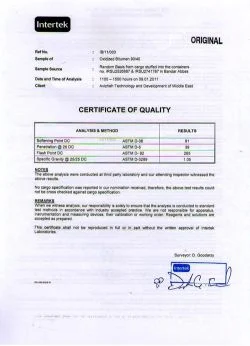
Industrial purchasers should request the current TDS, SDS, and batch Certificate of Analysis before completing a purchase.
These documents help engineering teams confirm material suitability and help importers prepare required shipping and compliance records.
Why Choose Basekim as Your Triethylene Glycol Supplier?
Selecting a Triethylene Glycol supplier involves more than comparing quotations. Industrial buyers also need dependable product specifications, clear commercial documentation, and suitable export arrangements.
Basekim supports B2B customers seeking industrial chemical supply for gas processing, chemical manufacturing, and other industrial applications.
Customers can request quotations based on their required TEG purity, shipment volume, packaging preference, and destination.
This approach helps buyers match their purchasing requirements with available supply options rather than relying on a generic product quotation.
For international orders, procurement teams should confirm product availability, batch specifications, Incoterms, and documentation requirements before finalizing shipment arrangements.
Frequently Asked Questions About Triethylene Glycol
1. What is Triethylene Glycol used for?
Triethylene Glycol primarily serves natural gas dehydration and industrial moisture-control processes. Manufacturers also use it in selected solvent formulations, plasticizer production, chemical intermediates, and specialty industrial fluids.
2. What is the CAS number of Triethylene Glycol?
Triethylene Glycol has the CAS number 112-27-6. Buyers can use this identifier to verify product documentation and distinguish TEG from other industrial glycols.
3. What is the typical purity of industrial TEG?
Commercial high-purity grades commonly target around 99% to 99.5% or higher. However, exact purity limits depend on the manufacturer and grade. Buyers should verify the actual assay through the supplier’s Certificate of Analysis.
4. Why do natural gas processing plants use TEG?
Gas processing facilities use TEG because it absorbs water from natural gas and allows regeneration for repeated use. This process helps plants control pipeline moisture and reduce hydrate-related operating problems.
5. What is the boiling point of Triethylene Glycol?
Pure Triethylene Glycol has a normal boiling point of approximately 285°C. This relatively high boiling point supports applications that require low volatility and controlled solvent regeneration.
6. Is Triethylene Glycol soluble in water?
Yes. TEG mixes completely with water. Its water affinity makes it useful in dehydration and moisture-control applications.
7. What is the difference between TEG and DEG?
TEG has a higher molecular weight, boiling point, and viscosity than DEG. Industries commonly use TEG for gas dehydration, while DEG serves many solvent, resin, and chemical intermediate applications.
8. What affects Triethylene Glycol price?
TEG pricing depends on feedstock costs, supply availability, purity, order quantity, packaging, and international freight. Buyers should request a current quotation for their required destination and shipment volume.
9. Can I buy Triethylene Glycol in bulk?
Yes. Industrial TEG is commercially available in bulk packaging such as ISO tanks and other suitable containers. Actual packing availability depends on the supplier, shipment volume, and destination.
10. Does Triethylene Glycol require special storage?
TEG requires clean, dry, and properly sealed storage containers. Since it absorbs moisture from the atmosphere, maintaining container integrity helps preserve its quality.
11. Is Triethylene Glycol the same as ethylene glycol?
No. Triethylene Glycol and Monoethylene Glycol belong to the same chemical family but have different molecular structures and physical properties. They serve different industrial purposes and should not be substituted without technical evaluation.
12. What documents should buyers request before purchasing TEG?
Buyers should request a current Technical Data Sheet, Safety Data Sheet, and batch Certificate of Analysis. They should also confirm packing details, country of origin, and required export documentation.
Table of Contents
Parameter | Specification |
|---|---|
Chemical Name | Triethylene Glycol (TEG) |
CAS Number | 112-27-6 |
Molecular Formula | C₆H₁₄O₄ |
Molecular Weight | 150.17 g/mol |
Appearance | Clear, colorless liquid |
Purity | ≥ 99.5% |
Density (20°C) | ~1.125 g/cm³ |
Boiling Point | ~285°C |
Freezing Point | ~−7°C |
Water Content | ≤ 0.1% |
Acidity (as Acetic Acid) | ≤ 0.005% |
Color (APHA) | ≤ 25 |
Viscosity (20°C) | ~47.8 mPa·s |
Flash Point | ~165°C |
Solubility | Completely miscible with water |
References and certificates