Iron Salts Supplier – Types, Applications & Industrial Uses
Iron salts are inorganic compounds formed when iron reacts with acids, creating stable chemical materials widely used across water treatment, agriculture, pharmaceuticals, and heavy industry. Due to iron’s multiple oxidation states, iron salts are classified into two main categories: ferrous (Fe²⁺) and ferric (Fe³⁺) compounds.
As global demand for environmental solutions and industrial raw materials continues to grow, the need for a reliable Iron Salts supplier has become increasingly important for manufacturers, contractors, and chemical distributors worldwide.
Main Types of Iron Salts
1. Ferrous Salts (Iron II – Fe²⁺)
Ferrous salts contain iron in the +2 oxidation state and are typically more soluble but sensitive to oxidation.
Ferrous Sulfate (FeSO₄)
One of the most widely traded iron salts in global markets.
Applications include:
Wastewater treatment
Soil conditioning and fertilizer production
Animal feed additives
Iron supplementation in pharmaceuticals
Ferrous Chloride (FeCl₂)
Commonly used in:
Industrial wastewater treatment
Chemical manufacturing processes
Pigment production
Ferrous salts can gradually oxidize into ferric salts when exposed to air.
2. Ferric Salts (Iron III – Fe³⁺)
Ferric salts contain iron in the +3 oxidation state and are widely used as strong coagulants and oxidizing agents.
Ferric Chloride (FeCl₃)
Ferric Chloride highly effective coagulant used in:
Municipal and industrial water treatment
Printed circuit board etching
Chemical synthesis
Ferric Sulfate (Fe₂(SO₄)₃)
Applied in:
Drinking water purification
Wastewater clarification
Phosphate removal
Ferric salts are especially valued for their efficiency in removing suspended solids and heavy metals from water systems.
Industrial Applications of Iron Salts
Iron salts are essential in multiple sectors:
Water Treatment Chemicals
Used as coagulants and flocculants to remove contaminants and improve water clarity.
Agricultural Chemicals
Correct iron deficiencies in crops and enhance soil nutrient balance.
Chemical Manufacturing
Serve as catalysts, intermediates, and raw materials in various industrial processes.
Pharmaceutical Industry
Certain iron salts are formulated into iron supplements.
Forms and Commercial Supply
A professional Iron Salts supplier typically offers:
Crystalline powder
Granular form
Flakes
Liquid solutions
Packaging options may include bulk bags, drums, IBC containers, or tanker loads depending on industrial requirements.
Choosing a Reliable Iron Salts Supplier
When selecting an iron salts supplier, key factors include:
Product purity and consistent quality
Availability of MSDS and COA documentation
Bulk supply capability
Export compliance and logistics support
Competitive pricing and stable sourcing
A reliable supplier ensures consistent material performance for water treatment plants, fertilizer producers, and chemical manufacturers.
Table of Contents
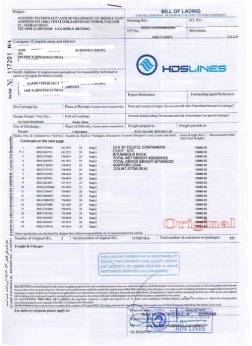
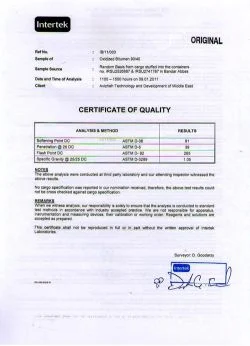
References and certificates