Vinyl Acetate Monomer (VAM) – Polymer Grade for Industrial Applications
Vinyl Acetate Monomer (VAM) is a widely used industrial monomer serving as a critical raw material in polymer manufacturing. It is primarily consumed in the production of polyvinyl acetate (PVA), vinyl acetate ethylene (VAE) emulsions, and other polymer systems used in adhesives, coatings, and construction-related applications. Due to its role in polymerization processes, VAM is supplied exclusively in Polymer / Industrial Grade and is not intended for direct consumer or food-related use.
This grade of VAM is designed to deliver consistent performance in industrial environments where purity, stability, and controlled reactivity are essential. Manufacturers rely on high-quality Vinyl Acetate Monomer to achieve predictable polymer properties, stable emulsions, and efficient production cycles across various downstream applications.
Chemical and Physical Characteristics
Vinyl Acetate Monomer is a colorless, flammable liquid with a characteristic odor and moderate volatility. Its chemical structure allows it to polymerize easily under controlled conditions, making it highly suitable for emulsion and solution polymerization processes. However, due to this reactivity, strict control of impurities and inhibitor levels is essential throughout storage and transportation.
The supplied material meets common industrial requirements for polymer grade VAM and demonstrates balanced properties suitable for large-scale manufacturing.
Industrial Applications
Vinyl Acetate Monomer is an essential building block in multiple industrial sectors. Its most common applications include:
Production of Polyvinyl Acetate (PVA) for wood adhesives, paper coatings, and packaging glues
Manufacturing of VAE emulsions used in construction chemicals, cement modifiers, and architectural coatings
Formulation of industrial adhesives for bonding wood, paper, and porous materials
Polymer emulsions used in paints, sealants, and surface protection systems
The consistent quality of polymer-grade VAM ensures uniform molecular weight distribution and stable performance in finished polymer products.
Handling, Storage, and Packaging
Due to its flammable nature and sensitivity to heat and contamination, Vinyl Acetate Monomer must be handled and stored under controlled conditions. Typical storage involves clean, dry containers with appropriate temperature management and protection from direct sunlight.
The product is commonly supplied in steel drums or bulk shipments, depending on volume and logistical requirements. Proper inhibitor levels and moisture control are critical during long-distance transportation to maintain product integrity.
Export and Trade Considerations
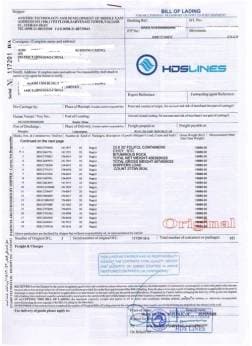
Vinyl Acetate Monomer is widely traded in international chemical markets and is subject to standard export and safety regulations. For B2B buyers, key considerations include consistent quality, reliable documentation, and compliance with transport regulations for hazardous materials.
Shipments are typically supported with:
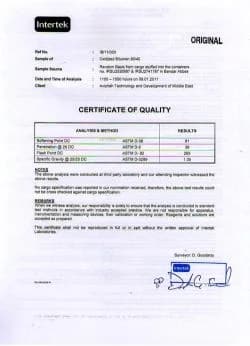
Certificate of Analysis (COA)
Material Safety Data Sheet (MSDS)
Technical specification documentation
Standard commercial export documents
This product is suitable for international supply chains serving manufacturers across the Middle East, Asia, Africa, and CIS regions.
Quality Consistency and Industrial Reliability
Polymer-grade Vinyl Acetate Monomer is valued not only for its chemical properties but also for its role in maintaining process stability. Low water content, controlled acidity, and appropriate inhibitor levels directly impact polymerization efficiency, storage safety, and final product performance.
Manufacturers selecting VAM for industrial use prioritize materials that offer predictable behavior, reduced risk during handling, and compatibility with established production processes. The supplied grade aligns with these expectations and is suitable for continuous and batch polymerization systems.
FAQ
1. Can VAM be transported in ISO tanks?
Yes. VAM is commonly shipped in chemical ISO tanks for bulk volumes (approx. 20–24 MT), provided the tank is clean, stainless steel, and approved for flammable liquids.
2. Why is an inhibitor added to VAM?
An inhibitor such as hydroquinone is added to prevent unwanted polymerization during storage and transportation while remaining compatible with industrial processing.
3. What documents are provided for export shipments?
Standard documents include COA, MSDS, and technical specifications, along with commercial export paperwork.
Table of Contents
Technical Specifications
| Parameter | Specification |
|---|---|
| Product Name | Vinyl Acetate Monomer (VAM) |
| Chemical Formula | C₄H₆O₂ |
| CAS Number | 108-05-4 |
| Grade | Polymer / Industrial Grade |
| Appearance | Clear, colorless liquid |
| Purity (VAM) | 99.8% |
| Density (20°C) | 0.933 kg/L |
| Water Content | Max 0.1% |
| Acidity (as Acetic Acid) | Max 0.01% |
| Inhibitor Type | Hydroquinone |
| Inhibitor Content | Approx. 17 ppm |
| Flash Point | -8 °C |
| Boiling Point | ~72 °C |
| Solubility | Slightly soluble in water |
| Packaging | Steel drums / ISO tank |
References and certificates