Mono Propylene Glycol (MPG) – Food & Pharma Grade
What Is Mono Propylene Glycol (MPG)?
Mono Propylene Glycol (MPG) is a versatile glycol widely used in applications where safety, regulatory compliance, and formulation stability are essential. It is a clear, colorless, low-odor liquid with hygroscopic properties and good solvency. Unlike other glycols such as MEG and DEG, MPG is considered suitable for food, pharmaceutical, and cosmetic use when supplied in approved grades.
MPG is classified as a functional ingredient rather than a bulk polymer raw material and is commonly used as a carrier, solvent, humectant, and heat transfer fluid.
Why MPG Is Different from Other Glycols
Within the glycol family, MPG occupies a distinct and regulated position:
MPG is low toxicity and suitable for sensitive applications
MEG is designed for PET and polyester production
DEG is restricted to industrial solvent and formulation use
MPG is selected not for volume, but for purity, safety, and compliance. This makes it essential in industries where direct or indirect human contact is involved.
Mono Propylene Glycol Uses and Applications
MPG is used across a wide range of industries, particularly those operating under regulatory frameworks:
Food and beverage processing (Food Grade)
Pharmaceutical formulations and excipients
Cosmetics and personal care products
Heat transfer fluids and food safe antifreeze systems
Flavorings, fragrances, and carrier solutions
Industrial formulations requiring low toxicity
Its ability to combine functional performance with a strong safety profile makes MPG suitable for both consumer-facing and industrial environments.
Functional Characteristics of MPG
From a formulation and processing perspective, Mono Propylene Glycol offers several important advantages:
Favorable safety and toxicological profile
Stable performance across a wide temperature range
Effective moisture retention and humectant behavior
Compatibility with water-based and mixed systems
Neutral odor and taste in food and pharma grades
These characteristics allow MPG to be used reliably in regulated and quality-sensitive applications.
MPG Grades Available
Mono Propylene Glycol is commercially supplied in several grades depending on application requirements:
Industrial Grade
Food Grade
Pharmaceutical Grade (USP / BP / EP)
Food and pharmaceutical grades are manufactured under strict quality control systems and comply with international regulatory standards.
Packaging and Export Logistics
MPG is supplied in liquid form using export-standard industrial packaging solutions, including:
IBC tanks
Steel drums
Bulk shipments for contract supply
Packaging selection depends on grade, destination regulations, and customer handling capabilities.
Supply and Export Coverage
Mono Propylene Glycol is supplied through Basekim’s export operations based in Turkey and the United Arab Emirates, enabling compliant and efficient delivery to international markets. This dual-origin supply structure supports flexible logistics planning and consistent product availability for customers worldwide.
Global Market Demand
MPG is traded globally with steady demand in markets focused on food processing, pharmaceuticals, cosmetics, and specialty industrial applications. Key consuming regions include Europe, the Middle East, Asia, Africa, and Turkey.
Demand for MPG is driven by regulatory standards, safety requirements, and long-term consumption patterns rather than high-volume commodity trading.
Frequently Asked Questions (FAQ)
Is Mono Propylene Glycol (MPG) safe for food and pharmaceutical use?
Yes. Mono Propylene Glycol is considered safe for food, pharmaceutical, and cosmetic applications when supplied in approved Food Grade or Pharmaceutical Grade (USP / BP / EP). Suitability depends on grade selection and regulatory compliance.
What is the difference between MPG and MEG in terms of safety?
MPG has a significantly lower toxicity profile compared to Mono Ethylene Glycol (MEG). While MEG is limited to industrial applications, MPG is widely used in regulated industries due to its favorable safety characteristics.
Which grades of MPG are commonly traded internationally?
MPG is commercially available in Industrial Grade, Food Grade, and Pharmaceutical Grade. Food and pharmaceutical grades are produced under strict quality systems and are supplied with full compliance documentation.
How is MPG typically packaged and shipped for export?
MPG is exported in liquid form using IBC tanks, steel drums, or bulk shipments, depending on order volume, grade requirements, and destination regulations.
Table of Contents
Technical Specifications
| Parameter | Specification |
|---|---|
| Chemical Name | Mono Propylene Glycol |
| Molecular Formula | C₃H₈O₂ |
| Molecular Weight | 76.09 g/mol |
| Appearance | Clear, colorless liquid |
| Purity | ≥ 99.5 % |
| Density (20°C) | ~1.036 g/cm³ |
| Boiling Point | ~188 °C |
| Freezing Point | ~ -59 °C |
| Water Content | ≤ 0.2 % |
| Acidity (as Acetic Acid) | ≤ 0.005 % |
| Color (APHA) | ≤ 10 |
| Solubility | Completely miscible with water |
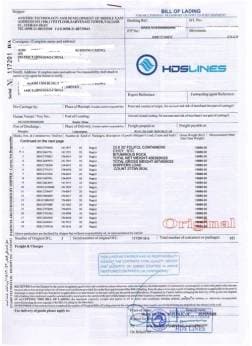
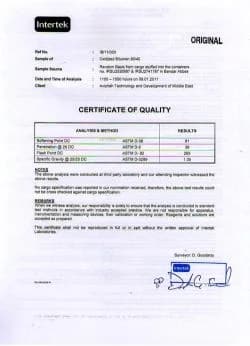
References and certificates