Mono Ethylene Glycol (MEG) – Industrial Chemical
Mono Ethylene Glycol (MEG) is an industrially produced organic chemical belonging to the glycol family. It is a clear, colorless liquid with low viscosity and a low freezing point, making it a key raw material in a wide range of petrochemical and polymer-based industries. MEG is not intended for food or pharmaceutical use and is classified strictly as an industrial chemical.
Globally, MEG plays a fundamental role in polyester and polyethylene terephthalate (PET) production and is considered one of the most important intermediates in modern polymer supply chains.
MEG in Comparison with Other Glycols
Compared to other commonly traded glycols such as Mono Propylene Glycol (MPG) and Diethylene Glycol (DEG), MEG occupies a distinct industrial position:
Significantly higher global consumption volume
Primary focus on PET and polyester manufacturing
Competitive and transparent pricing in bulk trade
High liquidity and consistent demand in international markets
While MPG is widely used in food, pharmaceutical, and cosmetic applications due to its safety profile, MEG is used exclusively in industrial processes. Compared to DEG, MEG benefits from broader standardization, wider downstream applications, and a substantially larger global market.
Main Applications of MEG
MEG is a base chemical rather than a finished product. Its principal applications include:
Production of PET for beverage bottles and packaging
Manufacturing of polyester fibers for the textile industry
Production of industrial resins and polymers
Formulation of antifreeze and industrial cooling fluids
Heat transfer fluids and thermal management systems
Certain adhesive and industrial coating formulations
A large share of global MEG consumption is directly linked to PET packaging and polyester fiber production.
Industrial Characteristics
MEG is valued for its predictable chemical behavior and compatibility with large-scale industrial operations. Key characteristics include:
Stable performance in polymerization processes
Controlled hygroscopic properties
Reliable behavior at low temperatures
Suitability for continuous, high-volume production environments
These properties make MEG a strategic raw material within global petrochemical and polymer industries.
Available Grades
In international trade, MEG is typically supplied in the following grades:
Industrial Grade
Fiber / PET Grade
Fiber and PET grades are the most widely used, as they meet stricter specifications required for polymer and packaging applications.
Export Packaging Options
MEG is supplied in liquid form using export-standard industrial packaging solutions, including:
Flexitank (20-foot containers)
IBC tanks
Steel drums (for specific requirements)
Bulk shipments for large-volume contracts
The choice of packaging depends on order volume, destination regulations, and unloading infrastructure at the receiving end.
Loading and Transportation
When shipped in flexitanks, a 20-foot container typically carries approximately 22–24 metric tons of MEG.
Loading is performed using controlled pumping systems.
Cleanliness of tanks and protection against moisture contamination are critical.
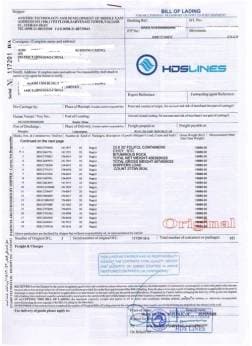
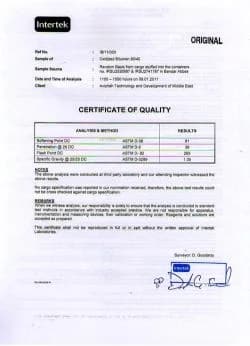
Standard export documentation includes Certificate of Analysis (COA), MSDS, and technical data sheets.
Supply & Export Coverage
Mono Ethylene Glycol is supplied through Basekim’s export and distribution network operating from Turkey and the United Arab Emirates, allowing efficient access to global markets. This dual-origin structure supports flexible logistics planning, optimized delivery lead times, and consistent supply to customers across different regions.
Global Market Presence
MEG is traded worldwide, with strong demand in regions where polyester, textile, and packaging industries are well established, including:
Turkey
China and East Asia
India
Middle East
Africa
Europe
Demand for MEG is primarily driven by industrial production capacity and long-term consumption trends rather than short-term market fluctuations.
Professional Market Perspective
Mono Ethylene Glycol is not a specialty or niche product; it is a core industrial material forming the backbone of global polyester and PET production. Procurement decisions are typically based on supply reliability, consistent quality, technical compliance, and logistics performance rather than short-term pricing alone.
FAQ
Is Mono Ethylene Glycol (MEG) safe for food or pharmaceutical use?
No. MEG is strictly an industrial chemical and is not suitable for food, pharmaceutical, or cosmetic applications. Due to its toxic nature, its use is limited to controlled industrial processes such as polymer, PET, and antifreeze production.
What is the difference between MEG and MPG?
MEG is primarily used in industrial applications such as PET and polyester production, while Mono Propylene Glycol (MPG) is considered safer and is commonly used in food, pharmaceutical, and cosmetic industries. The two products differ significantly in safety profile, applications, and regulatory classification.
How is MEG typically shipped for export?
MEG is usually exported in liquid form using flexitanks, IBC tanks, or bulk shipments. A standard 20-foot container loaded with a flexitank typically carries around 22–24 metric tons, depending on logistics and destination requirements.
Table of Contents
Technical Specifications
| Parameter | Specification |
|---|---|
| Chemical Name | Mono Ethylene Glycol |
| Molecular Formula | C₂H₆O₂ |
| Molecular Weight | 62.07 g/mol |
| Appearance | Clear, colorless liquid |
| Purity | ≥ 99.8 % |
| Density (20°C) | ~1.113 g/cm³ |
| Boiling Point | ~197 °C |
| Freezing Point | ~ -13 °C |
| Water Content | ≤ 0.2 % |
| Acidity (as Acetic Acid) | ≤ 0.001 % |
| Color (APHA) | ≤ 10 |
| Solubility | Completely miscible with water |
References and certificates