Rubberized Bitumen: High-Performance Binder for Sustainable Road Construction
What is Rubberized Bitumen
Rubberized Bitumen is a modified paving binder produced by blending standard bitumen with crumb rubber derived from recycled tires. This innovative product enhances the performance of conventional bitumen while offering an environmentally responsible solution by reusing waste materials.
Rubberized bitumen has been widely adopted for highways, airports, and heavy-traffic roads, where durability and resistance to deformation are critical. By combining the elasticity of rubber with the adhesive strength of bitumen, it creates road surfaces that last longer and perform better under varying traffic and climate conditions.
Why Choose Rubberized Bitumen
Superior Performance
Rubberized bitumen increases resistance to rutting, cracking, and fatigue, ensuring longer-lasting pavements.
Sustainability
By recycling waste tires into road construction materials, it reduces environmental impact and supports circular economy initiatives.
Cost Efficiency
Although initial costs are higher than conventional binders, the extended lifespan and reduced maintenance make it more economical over the life cycle of a pavement.
Noise Reduction
Rubberized asphalt surfaces help reduce tire-pavement noise, contributing to quieter urban and highway environments.
Compatibility
It is suitable for use in hot mix asphalt, sprayed seals, and overlays, making it a versatile option for road authorities and contractors.
Applications of Rubberized Bitumen
Highways and Expressways
Designed to withstand heavy traffic volumes, rubberized offers exceptional rutting resistance and durability.
Airport Runways
With its high elasticity, it resists thermal cracking and ensures safe, long-lasting performance under extreme loading conditions.
Urban Roads
Its noise-reducing qualities make it an excellent choice for city streets and residential zones.
Overlays and Maintenance
Rubberized is often used in overlays to extend the life of existing pavements while improving ride quality.
Business Value for Suppliers and Importers
For contractors, agencies, and distributors, rubberized is more than a technical material — it is a strategic product.
High demand in regions focusing on sustainable infrastructure
Helps suppliers differentiate their product offering with an eco-friendly binder
Meets international specifications such as ASTM, AASHTO, and EN standards
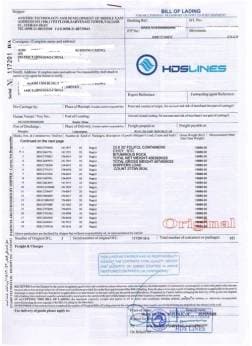
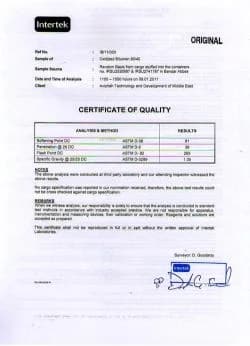
Shipped in bulk tankers, drums, or bitutainers with Certificates of Analysis
This makes rubberized a profitable addition to product portfolios for exporters and distributors in the bitumen industry.
Storage and Handling Recommendations
Store at recommended handling temperatures (160–190°C depending on blend).
Mix continuously to maintain homogeneity and prevent rubber particles from settling.
Avoid overheating as it may degrade rubber polymers.
Follow standard PPE guidelines during application.
Frequently Asked Questions (FAQ)
Q1: What is the main advantage of Rubberized?
A: Its ability to significantly improve road durability by resisting rutting, cracking, and fatigue while also reducing traffic noise.
Q2: Is Rubberized Bitumen environmentally friendly?
A: Yes, it reuses waste tires, reducing landfill pressure and supporting sustainability initiatives in infrastructure.
Q3: How is Rubberized Bitumen supplied?
A: It is delivered in bulk tankers, drums, or bitutainers, depending on customer requirements.
Q4: Where is Rubberized most commonly used?
A: In highways, expressways, airports, and urban roads where performance and durability are critical.
Q5: Is Rubberized cost-effective?
A: While upfront costs are higher, the longer lifespan and reduced maintenance make it more economical in the long run.
Table of Contents
Technical Specifications
| Property | Standard Value |
|---|---|
| Viscosity @ 60°C | 150–400 Pa·s (depending on formulation) |
| Softening Point | 55–65 °C |
| Elastic Recovery @ 25°C | Min 70% |
| Penetration @ 25°C | 40–70 dmm |
| Resilience @ 25°C | Min 30% |
| Storage Stability (48h) | Max 2% difference |
| Flash Point | Min 240 °C |
| Solubility in Trichloroethylene | Min 97% |
References and certificates