Soda Ash Price & Applications Guide: Light vs Dense Explained
Soda Ash (Sodium Carbonate – Na₂CO₃) is a critical industrial chemical widely used across multiple sectors, including glass manufacturing, detergents, water treatment, textiles, and ceramics. Due to its alkaline properties, Soda Ash plays a major role in controlling pH levels, improving chemical reactions, and reducing energy consumption in industrial processes.
As a key raw material in global trade, Soda Ash price, grade selection, and application are among the most searched topics by industrial buyers.
What Is Soda Ash (Sodium Carbonate)?
Soda Ash is a white, water-soluble alkaline powder produced either through chemical processing or from natural mineral sources. It is valued for its chemical stability, high purity, and efficiency in large-scale industrial applications. Industrial Soda Ash is traded globally in bulk quantities and supplied in different grades depending on end use.
Industrial Applications of Soda Ash
The glass industry represents the largest share of global Soda Ash consumption. In glass manufacturing, Soda Ash reduces the melting temperature of silica, lowers energy costs, and improves furnace efficiency, making it an essential component in flat glass, container glass, and automotive glass production.
In detergent and cleaning product manufacturing, Soda Ash is used to regulate alkalinity, enhance cleaning performance, and remove grease and organic residues. It is also widely used in water treatment, where it adjusts pH levels, neutralizes acidic water, and protects pipelines and industrial equipment from corrosion.
The textile industry uses Soda Ash during dyeing and finishing processes to fix reactive dyes and ensure uniform color distribution. In ceramic and glaze production, Soda Ash improves surface quality, firing behavior, and overall product consistency.
Light Soda Ash vs Dense Soda Ash – Key Differences
One of the most common questions buyers ask is the difference between Light Soda Ash and Dense Soda Ash. While both products have the same chemical composition (Na₂CO₃), they differ mainly in bulk density, handling characteristics, and industrial application.
Light Soda Ash has a lower bulk density and finer particle structure. It dissolves quickly and is commonly used in detergent production, chemical processing, water treatment, and textile applications where rapid solubility is required.
Dense Soda Ash, on the other hand, has a higher bulk density and larger granule size. It is preferred in glass manufacturing and heavy industrial applications because it generates less dust, improves handling efficiency, and provides better control during high-temperature processes.
Choosing the correct grade is essential, as Light and Dense Soda Ash are priced differently and serve different operational needs.
How Soda Ash Is Produced
Industrial Soda Ash is produced using two main methods. The Solvay process is a chemical method based on sodium chloride, limestone, and ammonia, and is widely used in many industrial regions. The second method involves natural Trona ore processing, where Soda Ash is extracted from mineral deposits with higher purity and lower energy consumption. Trona-based Soda Ash is mainly produced in the United States and Turkey and is often preferred for its environmental and cost advantages.
Soda Ash Price – What Affects the Cost?
The price of Soda Ash depends on several key factors. These include the grade (Light or Dense), purity level, production method, packaging type, order volume, and logistics costs. Dense Soda Ash is typically priced higher due to additional processing and handling benefits, especially for glass manufacturers.
Other price drivers include energy costs, raw material availability, and global demand from major consuming industries. For export markets, freight rates and packaging specifications also play a significant role in final pricing.
Packaging, Storage & Bulk Supply
Industrial Soda Ash is commonly supplied in 25 kg and 50 kg bags, as well as 1,000 kg jumbo bags for bulk handling. Proper storage in dry conditions is essential to maintain product quality and prevent moisture absorption. Export-grade packaging is designed to meet international shipping and safety standards.
Why Grade Selection Matters for Buyers
Selecting the right Soda Ash grade directly impacts process efficiency, cost control, and product quality. Buyers in glass manufacturing typically require Dense Soda Ash for better furnace performance, while detergent and chemical producers benefit from the fast solubility of Light Soda Ash. Understanding this distinction helps buyers avoid operational issues and optimize procurement decisions.
Frequently Asked Questions (FAQ)
1. What is the main difference between Light and Dense Soda Ash?
The main difference is bulk density and application. Light Soda Ash is used in detergents, chemicals, and water treatment, while Dense Soda Ash is mainly used in glass manufacturing due to easier handling and lower dust formation.
2. What factors influence Soda Ash price the most?
Grade type (Light or Dense), production method, purity, packaging, order volume, and logistics costs are the main factors affecting Soda Ash prices.
3. Which Soda Ash grade should I choose for my application?
The correct grade depends on your industry. Glass manufacturers typically use Dense Soda Ash, while detergent producers, textile plants, and water treatment facilities usually prefer Light Soda Ash.
Table of Contents
Technical Specifications
| Parameter | Specification |
|---|---|
| Chemical Name | Sodium Carbonate |
| Product Name | Soda Ash |
| Chemical Formula | Na₂CO₃ |
| Appearance | White crystalline powder |
| Purity (Na₂CO₃) | ≥ 99.2% |
| Bulk Density | Light: ~0.5 g/cm³ / Dense: ~1.0 g/cm³ |
| Solubility in Water | Soluble |
| pH (1% solution) | 11.0 – 11.5 |
| Moisture Content | ≤ 0.5% |
| Packaging | 25 kg bags, 50 kg bags, 1000 kg jumbo bags |
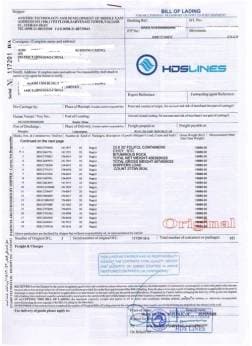
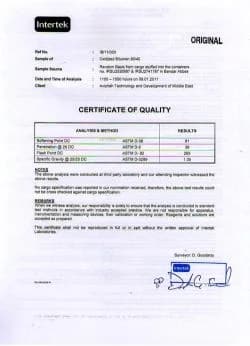
References and certificates