CRMB 55 | Crumb Rubber Modified Bitumen for High-Stress Pavements
Engineering Purpose of CRMB 55
CRMB 55 is a performance grade crumb rubber modified bitumen developed for pavement sections exposed to higher mechanical stress, heavier axle loads, and prolonged high-temperature conditions.
Compared to lower CRMB grades, CRMB 55 offers a balanced combination of elasticity and stiffness, allowing it to maintain structural stability while still providing sufficient flexibility to control cracking and fatigue.
This grade is typically selected when conventional CRMB or penetration grade bitumen reaches its performance threshold.
Where CRMB 55 Is Technically Justified
CRMB 55 is not a general-purpose binder.
It is specified when pavement design requires controlled deformation resistance without sacrificing elastic recovery.
Typical engineering scenarios include:
High-speed highways with continuous heavy truck traffic
Urban arterial roads with frequent braking and acceleration
Industrial access roads subjected to repetitive loading
Pavement layers exposed to sustained high surface temperatures
Overlay projects where rut resistance is critical
In these applications, CRMB 55 provides better shape retention under load compared to softer rubber-modified binders.
Performance Behavior in Asphalt Mixtures
When used in asphalt production, CRMB 55 contributes to:
Improved resistance to permanent deformation (rutting)
Stable performance at elevated pavement temperatures
Enhanced fatigue life under cyclic loading
Reduced crack propagation in high-stress zones
From a functional perspective, CRMB 55 acts as a load-bearing elastic binder, supporting pavement integrity in demanding service conditions.
Handling, Storage, and Supply
CRMB 55 should be handled using standard hot bitumen handling procedures.
Maintain appropriate storage temperature to ensure homogeneity
Avoid prolonged overheating to preserve elastic properties
Prevent contamination with water or foreign materials
CRMB 55 is supplied in bulk tanker trucks or steel drums depending on project volume and logistics requirements.
CRMB 55 vs Other Binder Options
CRMB 55 is typically chosen when:
Penetration grade bitumen lacks rutting resistance
CRMB 50 provides insufficient stiffness
PMB is technically excessive or economically unjustified
This makes CRMB 55 a cost-effective, performance-driven alternative for heavy-duty pavement designs.
Typical Applications of CRMB 55
Expressways and freight corridors
Industrial road networks
High-load intersections and roundabouts
Logistics hubs and port access roads
Long-life pavement structures in hot climates
Summary
CRMB 55 is a technically balanced rubber modified binder engineered for pavements that demand higher rutting resistance without losing elastic performance. It is best suited for projects where durability, load resistance, and long-term performance are critical design parameters.
Table of Contents
Technical Specifications
| Property | CRMB 55 | Test Method |
|---|---|---|
| Penetration at 25°C (0.1 mm) | ≤ 60 | IS 15462:2004 |
| Softening Point (Ring & Ball), °C (Min) | 55 | IS 15462:2004 |
| Fraass Breaking Point, °C | — | IS 15462:2004 |
| Flash Point (COC), °C (Min) | 220 | IS 15462:2004 |
| Elastic Recovery at 15°C, % (Min) | 50 | IS 15462:2004 |
| Separation (Softening Point Difference), °C (Max) | 4 | IS 15462:2004 |
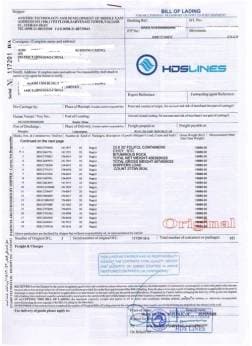
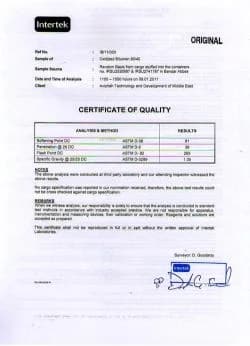
References and certificates