Bituminous Waterproofing Membranes for Flat Roofs: The Complete 2026 Guide
Flat roofs are increasingly common in residential, commercial, and industrial buildings. While they offer architectural and functional advantages, they also come with one major challenge: waterproofing. Without a reliable waterproofing system, flat roofs are far more vulnerable to water ponding, leaks, and long-term structural damage.
Among the available solutions, bituminous waterproofing membranes remain one of the most widely used and proven options worldwide. This guide explains how they work, the differences between APP and SBS membranes, and how to choose the right system for your flat roof.
What Is a Bituminous Waterproofing Membrane?
A bituminous waterproofing membrane is a prefabricated roofing material designed to create a continuous, watertight barrier on flat or low-slope roofs.
It is typically composed of:
A bitumen base for waterproofing
Reinforcement layers (polyester, fiberglass, or a combination) for strength
Polymer modifiers to improve performance
A protective surface finish (mineral granules, foil, or smooth finish)
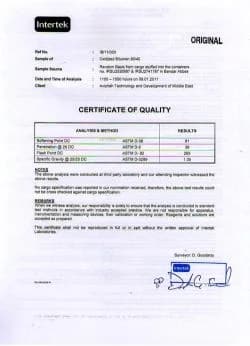
High-quality bituminous membranes are typically produced using penetration grade bitumen such as 60/70, which provides a balanced combination of flexibility and strength. One of the practical indicators of membrane quality is the behavior of the bitumen compound itself well-formulated membranes maintain elasticity, resist cracking during bending, and perform consistently across temperature variations.
These membranes are applied using heat or self-adhesive systems, forming a durable seal that protects the roof structure from moisture penetration.
Types of Bituminous Membranes for Flat Roofs
The two most common types of modified bitumen membranes used for flat roofs are APP and SBS. While both are based on bitumen, their performance characteristics differ significantly.
APP Modified Bitumen Membranes
APP (Atactic Polypropylene) membranes are modified with a plastic polymer that enhances resistance to heat and ultraviolet exposure.
Key characteristics:
High resistance to solar heat and UV radiation
Maintains shape and stability under high temperatures
Performs well in sunny and warm climates
Slightly stiffer surface compared to SBS
APP membranes are widely used in regions with long summers, strong sun exposure, and minimal freeze thaw cycles.
SBS Modified Bitumen Membranes
SBS (Styrene-Butadiene-Styrene) membranes are modified with a rubber-like polymer, giving them superior flexibility.
Key characteristics:
Excellent flexibility and elasticity
Performs well in cold climates
Resistant to cracking during temperature fluctuations
Better tolerance to roof movement and structural stress
SBS membranes are often preferred in areas with cold winters, frequent temperature changes, or buildings that experience structural movement.
APP vs SBS: Key Differences Explained Simply
There is no universally “better” membrane. The correct choice depends on conditions.
Climate:
APP performs better in hot climates; SBS excels in cold or variable climates.Flexibility:
SBS is more flexible and elastic; APP is more rigid but heat-resistant.Roof movement:
SBS handles expansion and contraction more effectively.Sun exposure:
APP offers strong resistance to prolonged UV exposure.
There is no single best membrane only the right membrane for the right conditions.
Which Bituminous Membrane Is Best for Your Flat Roof?
To choose the right system, consider the following factors:
Local climate and temperature range
Sun exposure and UV intensity
Expected roof movement
Building use (residential, commercial, industrial)
Desired service life
In many projects, performance depends less on brand names and more on selecting the correct membrane type for the environment.
Installation Basics: Why Application Matters
Even the highest-quality membrane can fail if installation is poorly executed. While this guide does not provide DIY instructions, several principles are essential:
Proper surface preparation is critical
Use of a compatible primer improves adhesion
Correct overlaps and seam sealing prevent water ingress
Careful detailing around drains, edges, and penetrations is essential
Installation quality directly affects waterproofing performance and service life.
Common Mistakes That Cause Flat Roof Leaks
Many flat roof failures are caused by avoidable errors, including:
Selecting the wrong membrane type for the climate
Ignoring thermal expansion and roof movement
Poor detailing around drains and corners
Inadequate seam overlaps
Improper surface preparation
Understanding these mistakes helps prevent premature failure and costly repairs.
How Long Do Bituminous Roof Membranes Last?
The lifespan of a bituminous membrane depends on several factors:
Quality of raw materials and modification
Installation workmanship
Environmental exposure
Maintenance practices
When correctly selected and installed, bituminous membranes can provide long-term, reliable waterproofing for flat roofs.
How to Choose the Right Bituminous Membrane Supplier
Before purchasing, always check:
Technical data sheets (TDS) and specifications
Reinforcement type and membrane thickness
Compliance with international standards
Manufacturer transparency and documentation
Avoid products that lack clear technical information or traceability.
Frequently Asked Questions
Is bituminous membrane suitable for flat roofs?
Yes. Bituminous membranes are one of the most widely used and proven waterproofing systems for flat roofs worldwide.
APP or SBS: which one should I choose?
Choose APP for hot, sunny climates and SBS for cold or temperature-variable environments.
How thick should a flat roof membrane be?
Thickness varies by system, but professional-grade membranes are typically designed to ensure durability and watertight performance.
Why do flat roof membranes fail?
Most failures are caused by poor installation, incorrect material selection, or inadequate detailing not the membrane itself.
Conclusion
Flat roof waterproofing is not about choosing the most expensive product or the most popular brand. It is about matching the right bituminous membrane to the right conditions and ensuring proper installation.
When correctly selected and applied, APP and SBS modified bitumen membranes remain among the most reliable and time-tested waterproofing solutions for flat roofs.
With the right knowledge, you can now ask the right questions and avoid the wrong choices.
Table of Contents
References and certificates