Bitumen Ratio in Asphalt Mix Design (Complete Road Construction Guide)
Asphalt is the most widely used material for modern road construction. Highways, airport runways, urban streets, and parking areas are built using engineered asphalt mixtures designed to withstand heavy traffic loads and environmental conditions.
An asphalt mixture is created by combining mineral aggregates with bitumen binder. The aggregates provide structural strength, while bitumen acts as a binding material that holds the particles together and gives the pavement flexibility.
The long-term performance of asphalt pavement depends heavily on proper asphalt mix design. Engineers must determine the correct proportion of aggregates, filler, and bitumen in order to produce a mixture that is strong, durable, and resistant to cracking and deformation.
In most road construction projects, asphalt mixtures typically contain between 93% and 96% mineral aggregates and 4% to 7% bitumen binder by total weight.
International pavement design standards and testing procedures are defined by organizations such as ASTM International, AASHTO, and other transportation authorities worldwide.
What Is the Bitumen Ratio in Asphalt
The bitumen ratio is one of the most critical parameters in asphalt pavement design. Bitumen functions as the binder that coats aggregates and forms a cohesive pavement structure capable of supporting traffic loads.
Typical bitumen content in asphalt mixtures usually ranges between:
4.5% to 6.5% of the total asphalt mixture weight
For example, in a standard asphalt mixture:
For 1 metric ton of asphalt mixture
950 kg mineral aggregates
50 kg bitumen binder
This proportion allows the mixture to maintain both strength and flexibility.
If the bitumen content is too low, the asphalt mixture becomes brittle and susceptible to cracking under repeated traffic loading. On the other hand, excessive bitumen content may cause the pavement to become soft and prone to rutting, especially in hot climates.
Because of this balance, engineers determine the optimum bitumen content through laboratory testing during the asphalt mix design process.
Typical Asphalt Mix Composition
A standard asphalt mixture used in road construction usually consists of four main components.
Coarse aggregates typically represent 45% to 55% of the total mixture and provide the primary structural skeleton of the pavement.
Fine aggregates usually account for 35% to 45% of the mixture and fill the voids between larger aggregate particles.
Mineral filler, which often includes limestone dust or other fine powders, generally makes up 4% to 8% of the mixture and improves mixture stability.
Bitumen binder typically represents 4.5% to 6.5% of the mixture and acts as the adhesive bitumen material binding all components together.
For example, a typical asphalt mixture for road construction may include:
520 kg crushed stone
380 kg sand
50 kg mineral filler
50 kg bitumen binder
This composition creates a dense asphalt mixture capable of supporting heavy vehicles and resisting long term pavement deformation.
Aggregate Gradation in Asphalt Mix Design
Aggregate gradation plays a critical role in determining the mechanical performance of asphalt mixtures.
Gradation refers to the distribution of different aggregate particle sizes within the mixture. Proper gradation allows aggregates to interlock effectively, reducing internal voids and increasing pavement stability.
A typical dense asphalt mixture gradation example may include:
19 mm aggregate – 100 percent passing
12.5 mm aggregate – 90 percent passing
9.5 mm aggregate – 75 percent passing
4.75 mm aggregate – 55 percent passing
2.36 mm aggregate – 40 percent passing
0.075 mm filler – 5 to 7 percent
Well designed aggregate gradation ensures optimal packing density and contributes significantly to the durability of asphalt pavement.
Air Voids and Density in Asphalt Mixtures
In addition to aggregate proportions and bitumen content, engineers must control the internal void structure of the asphalt mixture.
Air voids are small spaces between aggregate particles that remain after compaction.
Typical design targets for dense asphalt mixtures include:
Air voids in compacted asphalt: 3% to 5%
Voids in mineral aggregate (VMA): 14% to 17%
Voids filled with bitumen (VFB): 65% to 75%
These parameters ensure that the asphalt pavement has enough internal space to allow slight movement without cracking, while still maintaining sufficient strength.
Asphalt Mix Design Methods
Several standardized laboratory procedures are used worldwide to determine the optimum asphalt mixture design.
One of the most widely used methods is the Marshall Mix Design Method, which evaluates asphalt mixture stability, flow, and density under controlled laboratory conditions.
Another modern approach used in many countries is the Superpave Mix Design System, which considers climate conditions, traffic loading, and binder performance properties.
These design methods help engineers determine the ideal combination of aggregate gradation and bitumen content for long lasting pavement performance.
Bitumen Grades Used in Asphalt Production
Selecting the correct bitumen grade is essential for asphalt pavement performance.
One of the most commonly used penetration grades in road construction is Bitumen 60/70.
Typical properties of Bitumen 60/70 include:
Penetration value: 60 to 70 (0.1 mm)
Softening point: 48°C to 52°C
Viscosity at 135°C: 300 to 400 cP
This grade provides a balanced combination of flexibility and strength, making it suitable for moderate climate conditions and heavy traffic roads.
Asphalt Production Process in Asphalt Plants
Asphalt mixtures are produced in specialized asphalt mixing plants where aggregates and bitumen are combined under controlled conditions.
First, aggregates are dried and heated in a rotating drum at temperatures between 150°C and 170°C to remove moisture.
Next, bitumen binder is heated separately to approximately 150°C to 160°C to achieve proper viscosity for mixing.
The heated aggregates are then screened and separated into different sizes.
Afterward, aggregates and bitumen are combined in precise proportions based on the asphalt mix design.
Finally, the hot asphalt mixture is transported to the construction site where it is placed and compacted using heavy rollers.
Compaction usually occurs at temperatures between 135°C and 150°C to ensure proper pavement density.
How Much Asphalt Can Be Produced from Bitumen
The relationship between bitumen supply and asphalt production is important when estimating road construction materials.
Because typical asphalt mixtures contain approximately 5 percent bitumen, the following rule of thumb is commonly used in the industry:
1 ton of bitumen can produce approximately 20 tons of asphalt mixture
For example:
10 tons of bitumen can produce about 200 tons of asphalt
100 tons of bitumen can produce about 2000 tons of asphalt mixture
This ratio is widely used by contractors and engineers when calculating material requirements for road construction projects.
Why Asphalt Mix Design Is Important
Proper asphalt mix design is essential for ensuring long-lasting road infrastructure.
A well-designed asphalt pavement can last 15 to 25 years under normal traffic conditions. However, if the mixture is not properly designed, premature pavement failure may occur due to rutting, cracking, moisture damage, or structural fatigue.
For this reason, engineers carefully follow asphalt mix design procedures and international testing standards to achieve durable and reliable pavement performance.
Table of Contents
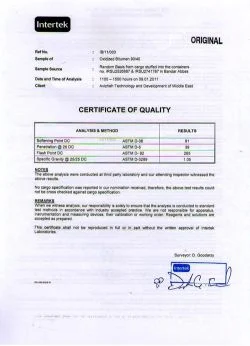
References and certificates